

Chilean Neapolitan empanadas are a popular, delicious staple of the country’s contemporary urban cooking, adapting the flavor profile of Italian pizza to the format of the classic Chilean empanada. They stand out for their juicy interior, stretchy melted cheese, and intense herbal aroma, making them a quick, versatile, and much-loved choice for snacking, lunch, or family gatherings. They’re filled with diced tomato, queso mantecoso cheese, and oregano, sealed in empanada dough, and either fried or baked. Ready in 3 steps and perfect for any time of day.
Nutritional Information
Each serving of Neapolitan empanada contains approximately 480 kcal, 50 g of carbohydrates, 24 g of fat (including 12 g of saturated fat), 15 g of protein, 3 g of fiber, 2 g of sugars, and 550 mg of sodium. (*)
(*) Values may vary depending on ingredients and portion sizes.
How to Make Chilean Neapolitan Empanadas?
The Neapolitan empanada has gradually earned a place among Chileans’ favorites, packed with flavors that feel very familiar to the local palate, using a classic empanada dough filled with cheese, ham, tomato, black olives, and oregano.
Prep time: 45 minutes
Cook time: 20 minutes
Servings: 6 people
Ingredients
1. Empanada Dough
- 1 kg (2.2 lb) all-purpose flour
- 200 g (7 oz) butter
- 100 ml (3.4 oz) water
- 2 eggs
- 1 tablespoon salt
- 1 teaspoon sugar
- Baking powder
- Fine salt
2. Neapolitan Filling
- 100 g (3.5 oz) queso mantecoso (semi-soft melting cheese)
- 100 g (3.5 oz) sliced ham
- 50 g (1.8 oz) black olives
- 8 ripe tomatoes
- 2 tablespoons oregano

Instructions
- In a large bowl, gather the sifted flour, make a well in the center, add the salt around the edges, and stir in ½ teaspoon of baking powder and the sugar, mixing everything with your fingers. Add the melted butter and combine, then add the eggs and water little by little, kneading until a smooth, uniform dough forms. Cover with a clean cloth and let rest.
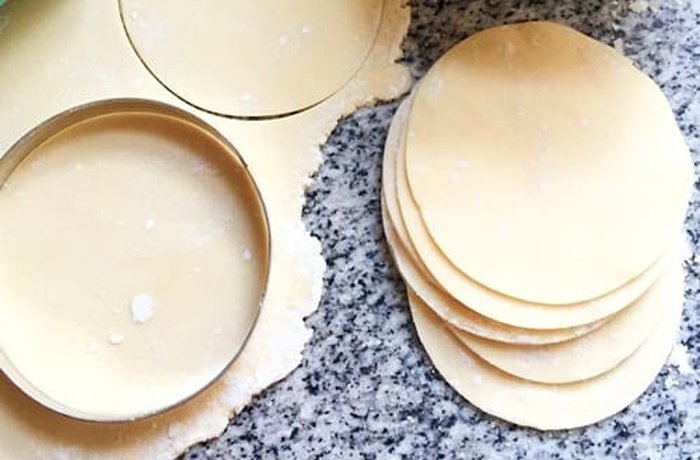
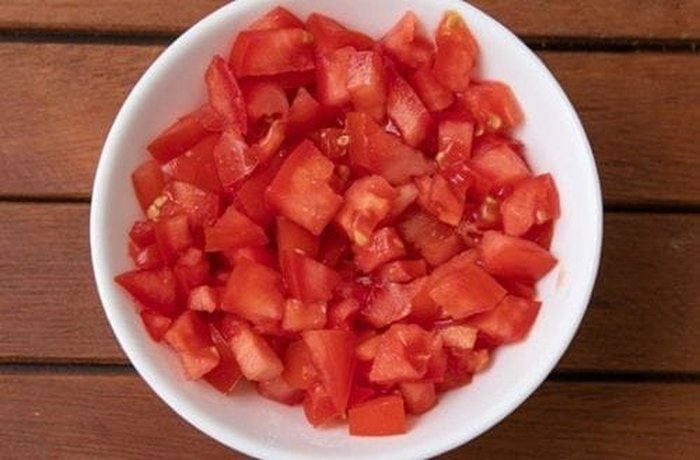
- Wash and peel the tomatoes, dice them into small cubes, and combine in a large bowl with the chopped cheese, chopped ham, sliced olives, and oregano, mixing everything with a wooden spoon and setting aside. Transfer the dough to a clean, floured surface, roll it out to about 3 millimeters thick, cut with a round cutter to your preferred size, distribute the Neapolitan filling, seal the edges, and prick a couple of times with a toothpick.
- Arrange the empanadas on a baking tray, brush with egg yolk, and bake in a preheated oven at 180°C (356°F) for about 15 to 20 minutes, or fry them in a pot with plenty of very hot vegetable oil. Serve the Neapolitan empanadas immediately, freshly made, optionally with a side of pebre sauce, chancho en piedra, and a glass of Chilean white wine.
Additional Homemade Tips
How to keep the dough from getting soggy
After dicing the tomatoes, let them drain in a colander with a bit of salt for 10 minutes to remove excess water. This keeps the filling from soaking the dough and causing the empanada to split during cooking.
How to get a crispier base
For a crispier base, pre-bake the dough discs for 3 minutes before filling and sealing them. If baking them whole, raise the oven to 200°C (390°F) for the last 5 minutes.
Fried or baked: which to choose?
Fried empanadas turn out crispy on the outside with a juicier filling, but absorb more oil. Baked ones are lighter and let you prepare a larger batch at once. Both versions use the same dough and the same filling.

Fried vs. Baked Neapolitan Empanadas
| Characteristic | Fried | Baked |
|---|---|---|
| Cook time | 4-5 min in hot oil | 20-25 min at 200°C (390°F) |
| Outer texture | Very crispy, golden | Lightly crispy |
| Oil absorption | Higher | Minimal |
| Filling | Juicier | Drier |
| Batch size | 2-3 pieces | 8-10 pieces |
Frequently Asked Questions (FAQs)
1. Why use queso mantecoso?
Queso mantecoso gets its name from its semi-soft consistency, since it’s made at a lower temperature and with more moisture than other cheeses like chanco, which makes it ideal for dishes where you want the cheese to melt without burning.
2. Can I use store-bought empanada dough?
Yes, you can use refrigerated or frozen empanada dough, although homemade dough gives a more authentic flavor and texture. Just make sure it’s oven-safe and a similar thickness to what’s indicated.
3. Which tomatoes work best for the filling?
Roma or plum tomatoes are recommended, since they have less water and more pulp. It’s also important to drain them with salt after dicing to keep the filling from making the dough soggy.
4. Can they be frozen?
Yes, you can freeze them raw and well-sealed on a tray, then store them in airtight bags. To bake them, there’s no need to thaw first — just add a few extra minutes to the cooking time.
What Is a Neapolitan Empanada?
A Chilean empanada napolitana is filled with diced tomato, queso mantecoso cheese, and oregano, closed in empanada dough and either fried or baked, echoing the same ingredients found in Neapolitan pizza but adapted to the Chilean empanada format.
History of Oregano in Neapolitan Cooking
Oregano originates from the hillsides of the Mediterranean, where the ancient Greeks named it “joy of the mountain” for its vibrant aroma and medicinal uses. It was the Romans who, captivated by its versatility, spread its cultivation throughout the empire, cementing it as the aromatic cornerstone that still defines Mediterranean and global cooking today.
Did You Know?
Naples is considered the most populous city in southern Italy, capital of the Campania region, surrounded by volcanic areas such as Vesuvius that cause frequent seismic activity.