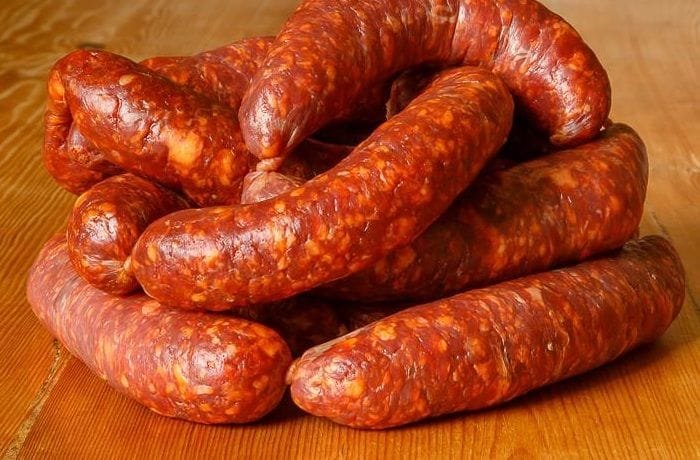
Making longanizas de Chillán calls for a ratio of 80% lean meat to 20% pork fat. Using hydrated natural casings and adjusting the seasoning beforehand ensures the traditional texture and flavor of this iconic sausage from south-central Chile. The tradition behind this product began with Cecinas Villablanca, under the influence of artisanal French techniques. This specialty stands out for its quality and versatility, becoming an essential component in a variety of classic Chilean dishes, including barbecues and traditional legume-based meals.
Nutritional Information
Each serving of longanizas de Chillán contains approximately 545 kcal, 25 g of protein, 45 g of fat (15 g of saturated fat), 90 mg of cholesterol, 5 g of carbohydrates, 1 g of sugars, and 900 mg of sodium. (*)
(*) Estimated values may vary depending on ingredients and portion sizes.
How to Make the Best Longanizas?
The Mapuche already made blood sausages and sausages from ground game meat seasoned with local spices, though longaniza de Chillán itself is a criollo preparation known since the Republic era in 1910, traditional to the Ñuble region.
Prep time: 12 hours
Cook time: 60 minutes
Servings: 10 people
Ingredients
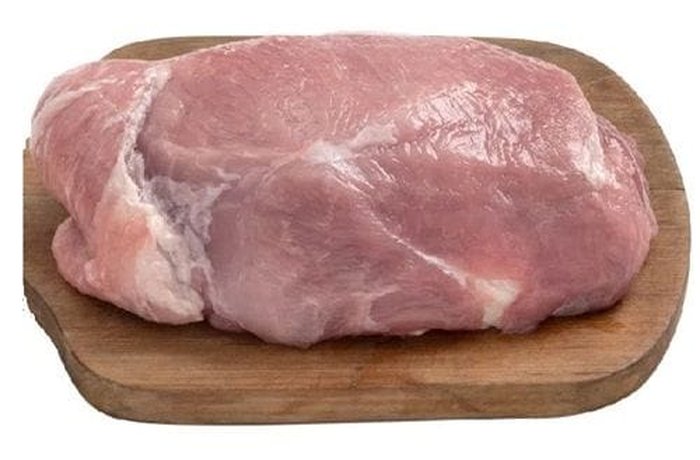
- 4 kg (8.8 lb) boneless pork
- 1 kg (2.2 lb) pork fat (fatback)
- 750 ml (25 oz) water
- 4 garlic cloves
- 2 tablespoons aji de color (Chilean chili seasoning)
- 2 tablespoons chili sauce
- 2 teaspoons oregano
- 1 pack natural sausage casings
- ½ teaspoon cumin
- Fresh mint to taste

Instructions
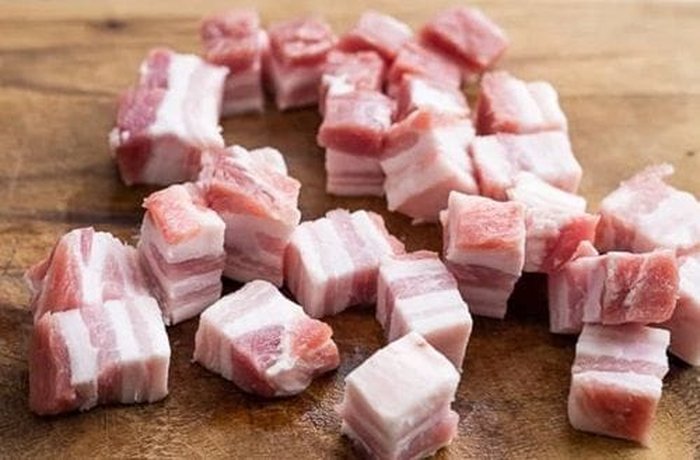
- On a clean cutting board, dice the fat and half of the meat into 1-centimeter cubes. Set aside. Grind another quarter of the meat through the meat grinder with a coarse die, and the last quarter with a medium die.
- Combine the meats and add the finely ground garlic, salt, pepper, cumin, oregano, aji de color, and chili sauce. Knead everything together, gradually adding water until you form a soft paste. Adjust the seasoning and let rest for 6 to 12 hours in the refrigerator.
- To fill the casings, let the meat mixture sit at room temperature for an hour, then add a cup of very hot seasoned water, knead, and prepare everything to stuff the casings using a suitable stuffing tube attached to the meat grinder or a wide funnel.
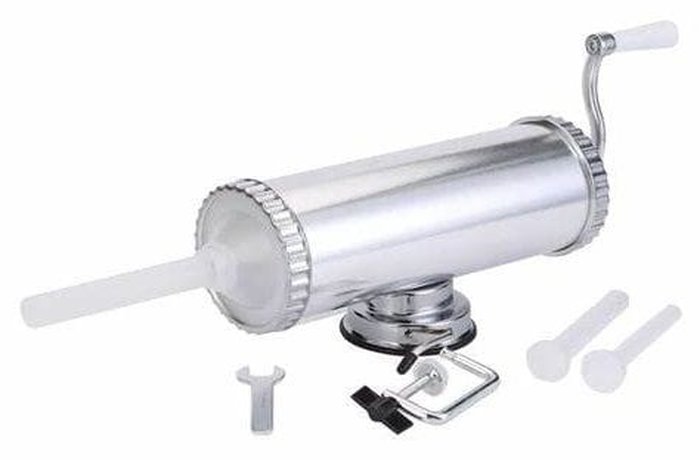
- Slide the casing onto the tube, pleating it like an accordion, and tie off the end. Fill the funnel with the meat mixture, pushing it through with a dowel that fits the tube and stretching gently.
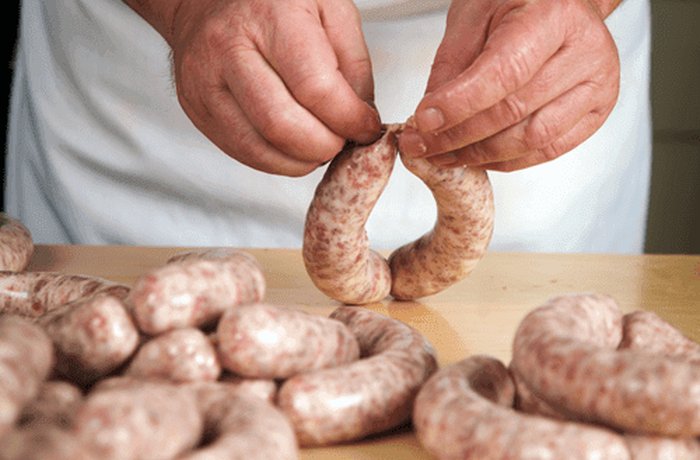
- Every 20 centimeters, twist the sausage, rotating it on itself, separating even links at each pinch point. Air-dry the sausages hanging in a cool, dry place, optionally smoking them lightly, and store them until ready to eat.
Additional Expert Tips
Keep the fat-to-meat ratio balanced
It’s key to maintain a ratio close to 80% lean meat and 20% fat (pork fatback), since too much fat can make the sausages fall apart or turn out overly rich.
Test the seasoning before stuffing
Try a small portion in a pan first to adjust seasoning, salt, and spiciness, correcting any imbalance in flavor or texture without wasting ingredients or effort.
Choosing the right casing
Natural casings give the most traditional snap and texture, but collagen casings are a more consistent substitute if natural ones aren’t available in your area.
| Substitution | Use instead of | Effect |
|---|---|---|
| Collagen casings | Natural casings | More uniform size, less snap |
| Smoked paprika | Aji de color | Similar red color, milder heat |
| Pork shoulder fat | Pork fatback | Comparable firmness when diced |
Frequently Asked Questions (FAQs)
1. Is it safe to use natural casing at home when making longanizas?
Yes, natural casings come cleaned and salted. You should rinse them thoroughly with plenty of warm water and then soak them in warm water for at least 30 minutes before using. This hydrates them and removes excess salt, making them more pliable for stuffing.
2. Can I substitute the fatback with another type of fat?
Pork fatback (hard fat) is the traditional choice. You can use fat from the loin or jowl, but it should be firm enough to stay in cubes after grinding and cooking. Soft fats (like oil or melted lard) aren’t recommended in large quantities.
3. Can I do this without a stuffing machine?
Yes, but it’s much slower and requires more effort. You can use a wide-mouthed funnel and push the meat firmly with a dowel or the handle of a wooden spoon. Make sure the meat mixture is very soft (Step 3) to make stuffing easier.
What Is a Longaniza de Chillán?
Traditional longanizas de Chillán are sausages made from pork meat and fatback that, although prepared in many places throughout south-central Chile, are without a doubt the most traditional and sought-after version.
History of Longaniza de Chillán
Cecinas Villablanca, who made this traditional longaniza famous, was originally founded by don José Luis Villablanca Troncoso, who learned the trade from a Frenchman settled in Chillán named Francisco Chessnel, owner of an artisanal butcher shop where he made chorizos, arrollados, head cheese, chops, and rib racks.
Did You Know?
Some years later, José Luis Villablanca started his own factory, very rudimentary at first, but always producing high-quality goods that became highly sought after, which gave the product its shape and recognition in the region, directly linking his name to it.
How to adapt this recipe to a vegan or vegetarian version?
How to adapt this recipe to a gluten-free version?
How to adapt this recipe to a keto (ketogenic) version?
Recommended
- Chilean Salmon Cancato
- Homemade Charqui Dried Meat
- Original Chilean Bistec a lo Pobre
- Chilean San Carlos Artisanal Longaniza