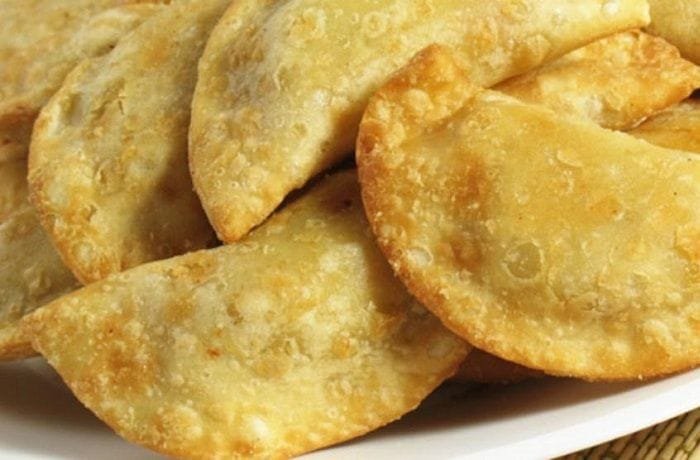
Chapes, also called black limpets (Fisurella latimarginata), are a medium sized mollusk found from Pimentel in Peru down to the mouth of the Biobío River in Chile, where they were once a staple in the Mapuche diet. This recipe turns them into a crisp, fried empanada filling that takes about an hour start to finish.
It’s a traditional Chilean fried empanada recipe, just built around a chapes pino instead of the usual beef, and it’s well worth trying at least once.
Nutritional Information
Each serving of fried chapes empanadas contains approximately 500 kcal, 50 g of carbohydrates, 25 g of fat, 12 g of protein, 4 g of fiber, 2 g of sugars, 100 mg of cholesterol, and 450 mg of sodium. (*)
(*) Values may vary depending on ingredients and portion sizes.
How to Make Chapes Empanadas?
This recipe swaps in chapes for the classic beef pino, keeping the same fried empanada technique Chile is famous for.
Prep time: 30 minutes
Cook time: 30 minutes
Servings: 4 people
Ingredients
1. Chapes Filling
- 500 g chapes (limpets)
- 2 onions, chopped
- 2 eggs
- Merken, to taste
- Cumin, to taste
- Olive oil
- Fine sea salt
2. Empanada Dough
- 500 g flour
- 2 tablespoons lard
- 1 teaspoon salt
- 1 cup hot water
- Oil, for frying

Instructions
- Shell the chapes and rinse them in cold water, softening them with a meat mallet. Place them in a medium pot, cover with cold water, bring to a boil, then lower the heat and simmer for about 30 minutes or until tender.
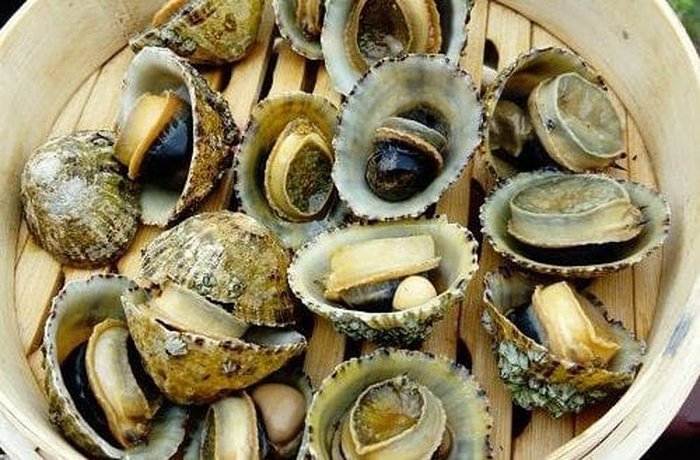
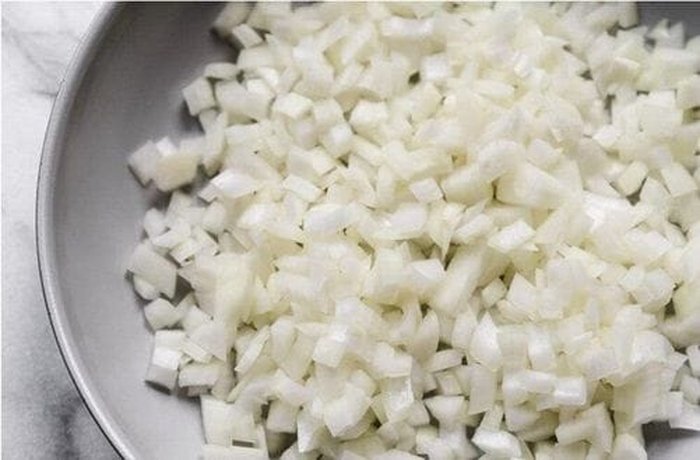
- Take them off the heat and let them cool in the same pot with the hot water so they don’t toughen up. In a medium bowl, soak the chopped onion in water with salt and let it sit for 30 minutes, rinse with cold water, drain, and set aside.
- In a second pot, add 2 tablespoons of oil, the chopped onion, merken, and cumin to taste, and cook everything together for 5 to 10 minutes, stirring gently with a wooden spoon.
- Add the chapes cut into small cubes, half a cup of water, and bring to a boil, turn off the heat and stir in a tablespoon of flour dissolved in a little water to thicken. Let cool and set aside.
- Sift the flour into a bowl, make a well in the center, and add the salt, hot fat, and boiling water, mix and knead by hand until fully combined, then form small dough balls and roll out with a rolling pin until very thin.
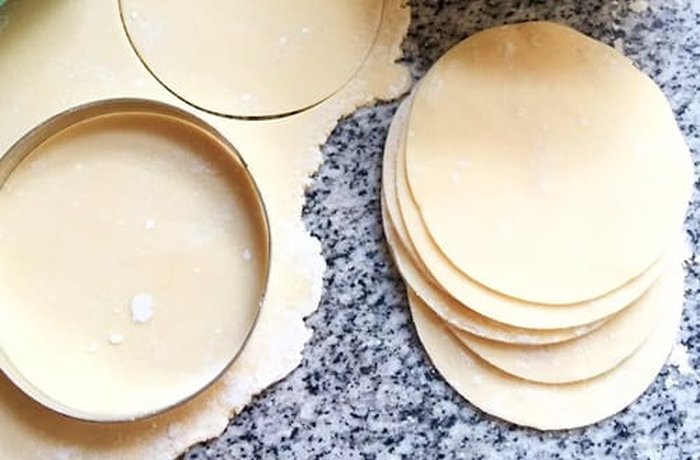
- Spoon the filling in even portions over the dough discs, add a quarter of a hard boiled egg to each, close them up, shape the empanadas with your fingers, and trim with a fluted pastry wheel.
- Heat plenty of oil in a deep pot or pan and fry the empanadas a couple of minutes on each side until golden, without overcooking them. Serve the chapes empanadas right away, with smoked chili or pebre on the side.
Additional Tips
Cool the Filling Completely First
Make sure the filling is fully cooled before assembling the empanadas. If it’s still warm, it will soften the dough and can cause it to tear during frying.
Watch the Oil Temperature
The oil should sit between 170 and 180°C for perfect frying. If it’s too cool, the empanadas absorb grease, if it’s too hot, they brown too fast before cooking through.
Soften Tough Chapes by Chopping Finer
If the chapes stay firm after simmering, chop them very finely or lightly grind them. This blends them better into the filling and makes them feel more tender when eaten.
| Substitution | Use instead of | Effect |
|---|---|---|
| Air fryer, 180°C for 20 to 25 minutes | Deep frying | Lighter, less crispy result |
| Chopped clams or mussels | Chapes (limpets) | Similar briny shellfish flavor |
| Butter | Lard in the dough | Softer, less traditional flavor |
| Homemade tartar sauce | Pebre or smoked chili | Creamier, tangier pairing |
Frequently Asked Questions (FAQs)
1. Can I make these in an air fryer?
Yes, cook them at 180°C for about 20 to 25 minutes, brushed with a little oil. They won’t be as crispy as fried, but they’ll be lighter.
2. What if the chapes stay tough?
If they’re still firm, chop them very finely or grind them lightly. That way they blend better into the filling and feel softer when eaten.
3. How do I keep the empanadas from opening while frying?
Seal the edges well with wet fingers or a fork, and don’t overfill them with filling. The oil also needs to be at the right temperature.
4. Can I freeze them before frying?
Yes, freeze them raw on a tray, then store in airtight bags. Fry them directly from frozen, just adding 1 extra minute of frying time.
5. What do you usually serve them with?
The most traditional pairing is pebre or smoked chili, but they also go very well with homemade tartar sauce or a crisp, dry white wine.
What Is a Chape?
Chapes are a wild limpet mollusk native to the Chilean and Peruvian coast, historically gathered along tide pools and long used by coastal and Mapuche communities as a protein source.
History of Chapes in Chile
The word “chape” comes from Mapudungun and could be translated as “braided,” referencing the ridged, conoidal lines that cover the surface of the shell protecting the mollusk.
Did You Know?
Limpets are rich in essential fatty acids that help lower the risk of cardiovascular disease, reduce LDL cholesterol and raise HDL, ease inflammation, and support brain health. They’re also a good source of iron, a mineral essential for carrying oxygen through the bloodstream to cells throughout the body.