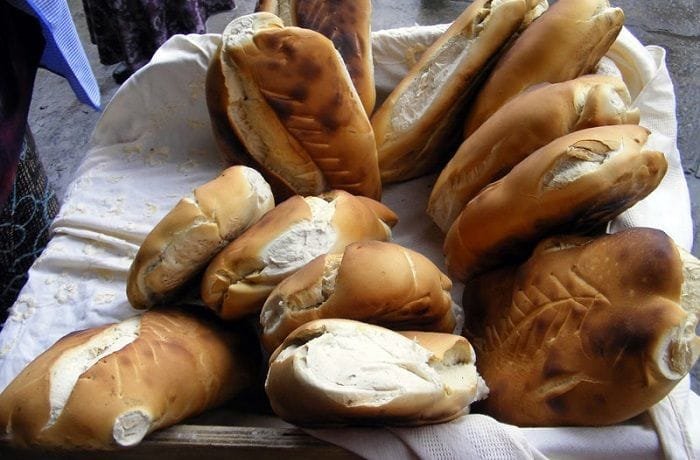
Pan minero, also called pan de mina, is a lard enriched kneaded bread from the coal town of Lota in southern Chile, shaped into long lulos or round loaves marked with the knuckles and baked in a wood fired clay oven. It takes 30 minutes of preparation plus 20 minutes of baking and makes enough for 4 people.
It is one of the most recognizable foods of Lota and has historically been made by local families, originally for the miners to eat during their lunch, known as the manche, through their long working shifts.
How to Make Chilean Pan Minero de Lota?
Pan de mina is a crisp kneaded bread with a soft texture and plenty of flavor, with a smoky aroma, golden on the outside and very white inside. It can be eaten cold or hot, and it is shaped as a lulo, as a round loaf, or as a colita.
Nutritional Information
Each serving of pan minero de Lota contains approximately 320 kcal, 7 g of protein, 10 g of total fat (5 g of saturated fat), 50 g of carbohydrates, 1 g of total sugars, and 600 mg of sodium. These values are estimates and may vary depending on ingredients and portion sizes.
Homemade Chilean Pan Minero Recipe
Preparation: 30 minutes
Cooking: 20 minutes
Servings: 4 people
Ingredients
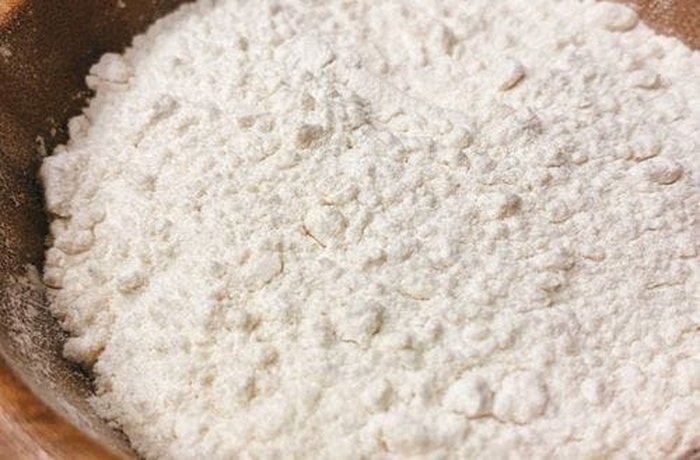
- 1 kg (2.2 lb) of wheat flour
- 300 ml (10 fl oz) of hot water
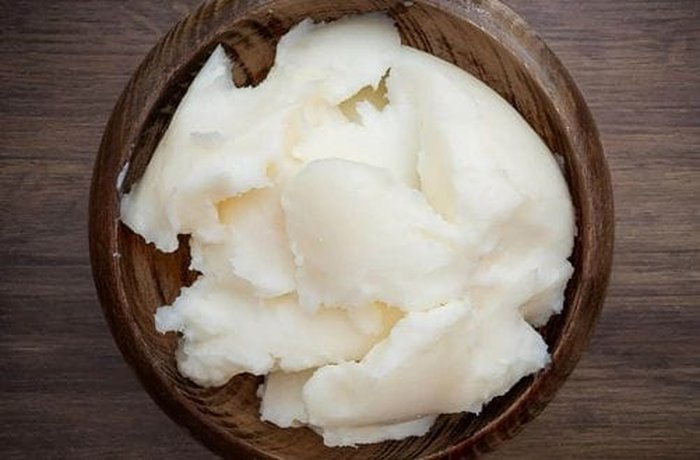
- 120 g (4.2 oz) of lard
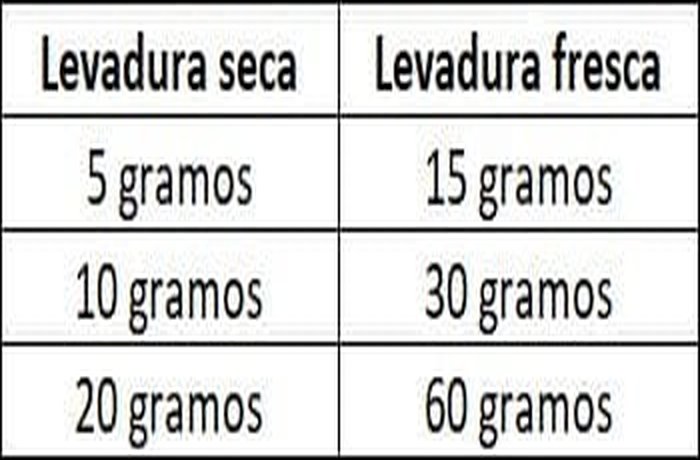
- 30 g (1 oz) of fresh yeast
- 2.5 teaspoons of salt
Instructions
- Melt the lard and, in a large bowl, prepare a salmuera with the warm water and the salt. Set aside. On a smooth clean surface, spread out the flour and open a well in the center. Add the crumbled yeast, the melted lard, and half the salmuera, bring it together with your hands, and add the rest of the water little by little until you get a firm mixture.
- Knead for 10 to 15 minutes, by hand or in a dough kneader, until you get a smooth, even dough. Shape the loaves into long lulos or into the traditional round form, which gets a central mark pressed with the knuckles to show it is bread made for sale.
- Arrange the loaves inside the oven, spread the embers at the entrance, cover with damp cloths, and bake for about 20 minutes, until the bread is golden. Take it out of the oven, brush off any ash, and eat the pan minero immediately or while it is still fresh.
Additional Tips
Use the windowpane test
The dough should be smooth and even after kneading. It should pass the windowpane test, meaning that if you stretch a piece of dough you can see light through it without it tearing.
Mark the round loaves
The central mark pressed with the knuckles on the round loaf, the bread made for sale, helps it rise evenly during baking and stops it from puffing up too much in the middle.
Eat it the same day
Lard gives this bread a crisp crust that softens within hours. It was made to be carried to a shift and eaten that day, not kept, which is why bakers in Lota fire their ovens every morning.
| Original ingredient | Substitute | Ratio | Flavor note |
|---|---|---|---|
| Pork lard | Vegetable shortening | 1:1 | Neutral, same crispness |
| Fresh yeast | Dry yeast | 30 g : 10 g | Same rise, slower start |
| Clay oven | Conventional oven at 220 C with steam | 1:1 | No smoky aroma |
| Wheat flour | Bread flour | 1:1 | Chewier, stronger crumb |
Frequently Asked Questions (FAQs)
1. How is the characteristic smoky smell of pan minero achieved?
The smoky smell comes from baking the bread in a wood fired clay oven where the embers are raked with laurel and eucalyptus brooms. At home you can approximate it with a convection oven using embers in the lower section, if your oven allows it safely.
2. Can I replace the lard with another fat?
Lard, whether pork or vegetable, is essential for the crisp crust and soft interior of pan de mina. If you replace it with butter or vegetable oil, the result will be closer to a regular pan amasado and will not have the same firmness or characteristic flavor.
3. What is the salmuera and why is it used?
The salmuera is simply the mix of hot water and salt used in artisanal baking. It dissolves the salt completely before it goes into the dough, which ensures the flavor is evenly distributed and the yeast activates better.
4. How do I replicate clay oven baking at home?
Use a conventional oven preheated to a high temperature of 220 C, with an empty metal tray in the lower section holding a little hot water at the start of baking to create steam.
5. What are the traditional shapes?
Pan minero traditionally comes in three shapes: lulo, a long cylinder; pan, round and marked with the knuckles for sale; and colita, the last piece or leftover dough. Each is eaten differently, with the lulo and the colita being the easiest to carry to work.
What Is Pan Minero?
Pan minero is a lard enriched wheat bread baked in communal clay ovens in Lota, on the coal coast of the Biobio region. What distinguishes it from other Chilean kneaded breads is the combination of lard in the dough and the smoke of a wood fired oven, which together give it a firm golden crust and the aroma that its name is associated with.
History and Origin of Pan Minero
The communal clay ovens were originally built by the coal companies alongside the housing where the miners lived, who arrived from all over the region to work and settle with their families. After the mines closed in 1997, the ovens became the main source of income for the families of former miners, and it was the women who started selling the bread in the streets, work that continues today and is being passed on to new generations. Its importance to the history of the area is such that selling the bread often allowed families to access better housing, where they would then build their own ovens to keep producing bread, developing an entrepreneurial culture that is still alive.
The Communal Ovens of Lota
The bread was started at home and then taken to communal clay ovens for baking, through a rota system that is still used today. On 5 July 2019, pan minero de Lota was recognized as intangible heritage of Chile by the Ministry of Cultures and the Arts.
Did You Know?
The communal ovens set schedules and working hours so everyone can use them. They are lit with firewood first thing in the morning until the embers are glowing, and those embers are then raked with laurel and eucalyptus brooms so their scent permeates the oven. The bread is loaded with a long handled wooden paddle, the entrance is banked with embers, and the oven is covered with large damp cloths.
How to adapt this recipe to a vegan or vegetarian version?
How to adapt this recipe to a gluten-free version?
How to adapt this recipe to a keto (ketogenic) version?
Recommended
- Chilean Pan Amasado Recipe
- Chilean Pan Coliza Recipe
- Chilean Chochoca Negra Potato Bread Recipe
- Chilean Milk Bread Rolls Recipe