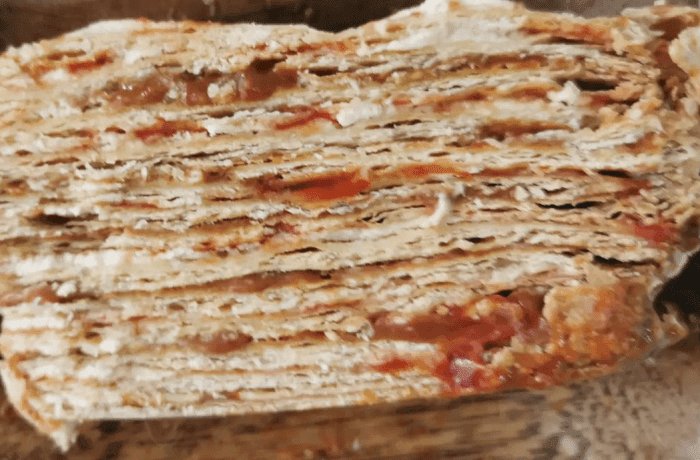
The Chilean mil hojas cake is one of the oldest recipes in the country’s baking tradition, present since the colonial period and passed down through families for generations. It is built from ten to eleven paper-thin pastry layers alternated with manjar (Chilean dulce de leche), pastry cream, and optionally rosehip jam — the tangy layer that cuts through the sweetness and sets the Chilean version apart from the French mille-feuille it descended from.
The recipe requires patience more than skill. The dough needs a full overnight rest before it can be rolled thin, and the assembled cake needs another twelve hours in the refrigerator before the layers soften and fuse. Plan for two days. The result is a dense, rich cake that slices cleanly and improves as it sits.
How to Make Chilean Mil Hojas Cake?
The process has three distinct stages separated by resting time. First, mix the dough and refrigerate overnight. Second, roll and bake the layers in batches. Third, assemble with the fillings and refrigerate again before serving. None of the individual steps is complicated, but skipping either rest period will produce a dry cake that crumbles when cut.
Nutritional Information
Each serving of Chilean mil hojas cake provides approximately 450 kcal, 50 g carbohydrates, 25 g total fat, 6 g protein, 1 g fiber, 30 g sugar, 50 mg cholesterol, and 200 mg sodium. Values are estimates and vary with ingredient brands and portion size.
Homemade Chilean Mil Hojas Cake Recipe
Prep time: 12 hours (including overnight dough rest)
Cook time: 60 minutes
Servings: 12
Ingredients
1. Pastry Dough
- 500 g (4 cups) all-purpose flour
- 375 g (1½ cups) butter
- 60 ml (¼ cup) whole milk
- 15 ml (1 tablespoon) Chilean pisco
- 6 egg yolks
- 2 teaspoons baking powder
- 1 pinch of salt
2. Filling
- 1 kg (2.2 lb) manjar (Chilean dulce de leche)
- 100 g (1 cup) walnuts, finely crushed
- Pastry cream (crema pastelera), as needed
- Rosehip jam (dulce de mosqueta), as needed
Equipment
- Large mixing bowl
- Plastic wrap
- Rolling pin (ideally with thickness rings)
- 20 cm (8 in) round cutter or template
- Parchment paper

Instructions
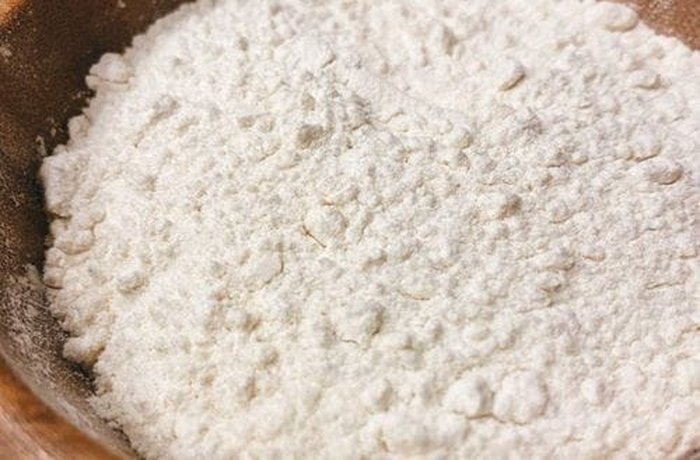
- Sift the flour and salt into a large bowl and make a well in the center. Add the butter, egg yolks, baking powder, pisco, and milk. Mix without kneading — just combine until the dough is uniform and holds together. Wrap tightly in plastic wrap and refrigerate overnight, at least 12 hours.
- On a clean, lightly floured surface, roll out the dough to approximately 3 mm thick. Alternatively, roll it between two sheets of floured parchment paper. Cut 10 to 11 circles of about 20 cm in diameter, prick the entire surface of each round with a fork, and set aside.
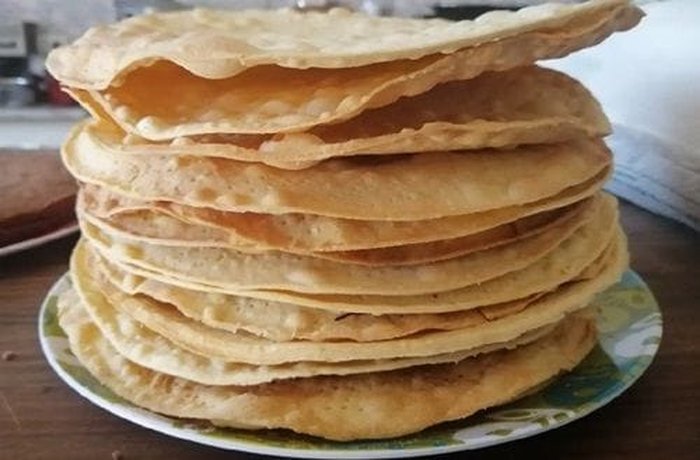
- Preheat the oven to 180°C (356°F) for 10 minutes. Place the rounds on a lightly floured baking sheet and bake for 5 to 7 minutes until lightly golden. Bake in batches as needed. Let all layers cool completely to room temperature before assembling.
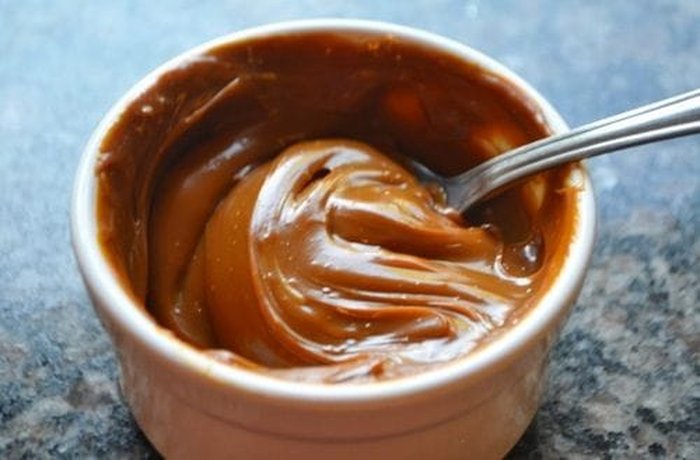
- On a serving plate or cake board, begin assembling: place one pastry round and spread a generous layer of manjar. Add another round, then a layer of pastry cream. Continue alternating manjar layers and cream layers, adding the rosehip jam every third layer if using.

- Finish the top and sides of the cake with manjar, then cover with the crushed walnuts. Wrap loosely and refrigerate for at least 12 hours before serving. Slice with a sharp knife and serve as a dessert or as part of a traditional Chilean once (afternoon tea).
Additional Tips
Refrigerate before and after assembly
The overnight dough rest and the post-assembly refrigeration are both non-negotiable. The first relaxes the gluten so the layers roll and bake evenly. The second lets the manjar and cream transfer moisture into the dry baked layers, softening them from brittle discs into a cohesive, sliceable cake.
Use a rolling pin with thickness rings
Uniform layers are the difference between a cake that holds together and one that collapses when cut. Rings set to 3 mm take the guesswork out of rolling and ensure every layer bakes in the same amount of time.
Adjust the filling balance to your taste
The manjar-only version is richer and sweeter. Alternating with pastry cream lightens the overall sweetness. Adding rosehip jam every third layer introduces an agridulce (sweet-sour) contrast that most people find makes the cake more balanced and easier to eat in quantity.
Frequently Asked Questions (FAQs)
1. What does the pisco do in the dough?
Pisco inhibits excess gluten development in the dough, which is critical because the layers are rolled very thin. This keeps the baked sheets short, dry, and tender rather than tough and chewy.
2. Why does the dough need to rest for 12 hours?
The long rest allows the gluten to fully relax after mixing and lets the liquid ingredients hydrate the flour evenly. Without it, the dough fights back when you try to roll it thin and the layers shrink unevenly in the oven.
3. Why does the assembled cake need to be refrigerated?
The baked layers are dry and brittle straight out of the oven. Refrigeration for at least 12 hours lets the manjar and cream transfer moisture into the layers, softening them and fusing the cake into a single, sliceable unit.
4. Can I substitute the pisco?
Yes. Any neutral spirit with around 40% alcohol works — brandy, vodka, or white rum. The alcohol content is what matters, not the specific flavor, since it evaporates completely during baking.
What Is Chilean Mil Hojas Cake?
Torta de mil hojas is the Chilean adaptation of the French mille-feuille, which arrived in South America through Spanish influence during the colonial period. The French original uses puff pastry and vanilla cream; the Chilean version replaces both with a short, egg-rich dough and manjar as the primary filling. The result is denser and sweeter than its European ancestor, and the addition of rosehip jam — native to Chilean Patagonia — is a distinctly local touch. The cake appears on dessert tables at Chilean birthday celebrations, weddings, and national holidays, and versions of it are known across South America: in Costa Rica and parts of Central America it is called “torta chilena,” a testament to how associated the dessert has become with Chilean baking.
History of Mil Hojas in Chile
The mille-feuille entered Chilean baking through the French pastry influence of the 19th century, when European immigration and trade brought new techniques into the kitchens of Santiago and Valparaiso. Local bakers substituted the laminated puff pastry with a simpler short-dough method — far less labor-intensive and more suited to home production. Manjar, already a staple in Chilean sweets from the Spanish dulce de leche tradition, became the natural filling. By the early 20th century the cake was a fixture at Chilean bakeries and home kitchens, and the wooden uslero (rolling pin) used to make it passed from one generation to the next as a household heirloom.
Did You Know?
In many Chilean households, the same wooden rolling pin (uslero) has been used for generations — inherited from grandmothers who used it for mil hojas, empanadas, bread, and everything in between. The uslero is often one of the few kitchen tools that travels intact through multiple generations of a family, carrying with it the memory of every cake ever made.