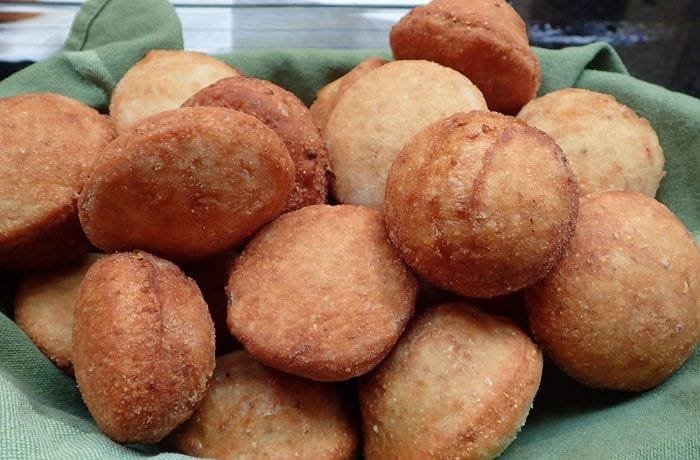
Chilean sopaipillas de pinones are fried rounds of yeast dough made with flour from pinones, the seeds of the araucaria tree, mixed with wheat flour and a touch of honey. They take 90 minutes of preparation including rising plus 30 minutes of frying and serve 4 people.
They are a heritage version of the classic Chilean sopaipilla, darker in color, with an earthy aroma and a firm texture, best eaten warm with pebre, honey, or merken paste.
How to Make Chilean Pinon Sopaipillas?
Pinon sopaipillas are quick and easy to make and can be served with many sweet or savory toppings. You activate yeast with honey, knead it into a dough of pinon and wheat flour, cut out rounds, let them rest, and fry them until golden.
Nutritional Information
Each serving of pinon sopaipillas contains approximately 300 kcal, 40 g of carbohydrates, 10 g of fat, 6 g of protein, 4 g of fiber, 1 g of sugars, and 300 mg of sodium. These values are estimates and may vary depending on ingredients and portion sizes.
Homemade Chilean Sopaipillas de Pinones Recipe
Preparation: 90 minutes
Cooking: 30 minutes
Servings: 4 people
Ingredients
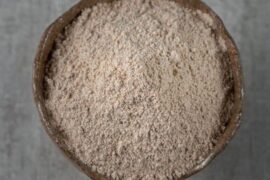
- 250 g (2 cups) of pinon flour (araucaria pine nut flour)
- 125 g (1 cup) of all purpose flour
- 200 ml (7 fl oz) of warm water
- 1 teaspoon of yeast
- 1 teaspoon of honey
- 1 teaspoon of salt
- Oil, for frying
Instructions
- In a cup, mix the yeast with a little warm water and the honey, stir until dissolved, and let it rest for 25 minutes. In a medium bowl, combine the pinon flour, the wheat flour, and the salt, make a well in the center, and add the yeast mixture. Mix into a compact, non sticky dough, adding more warm water if needed.
- On a smooth, floured surface, roll out the dough to 1 cm thick and cut out the sopaipillas with a round cutter of the size you like. Let the rounds rest for 60 minutes, covered with a kitchen towel.
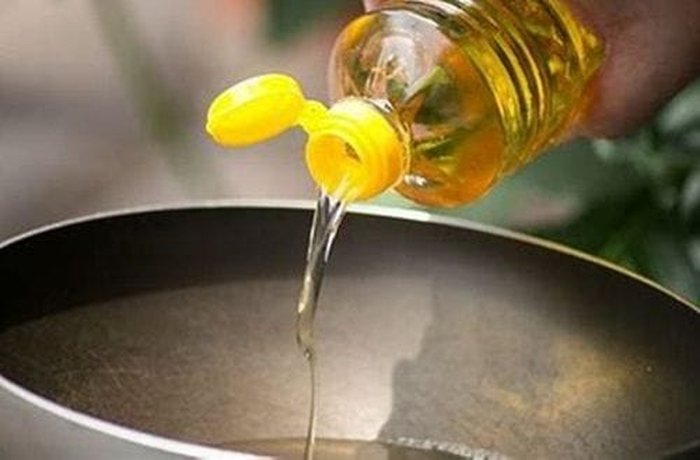
- In a deep fryer or deep pan, heat enough oil to 170 C (338 F). Carefully lower in the sopaipillas without overlapping them and fry on both sides until golden. Drain on paper towels and serve warm with pebre, honey, or merken sauce.
Additional Tips
Toast the pinon flour
Lightly toast the pinon flour in a dry pan over medium heat for 3 to 4 minutes, stirring constantly, until it releases its characteristic aroma.
Add a little milk
Replace 50 ml of the warm water with warm whole milk, not boiling, when making the dough. The fat and protein give a more tender crumb and a more even golden color when fried.
Control the oil temperature
Keep the oil at around 170 C. If it is too hot the outside browns before the inside cooks, and if it is too cool the sopaipillas soak up oil.
| Original ingredient | Substitute | Ratio | Flavor note |
|---|---|---|---|
| Pinon flour | Chestnut flour | 1:1 | Sweeter, similar color |
| Honey | Sugar | 1:1 | Neutral |
| Part of the water | Warm milk | 50 ml | More tender crumb |
| Deep frying | Air fryer at 180 C | 12 to 15 min | Lighter, less crisp |
Frequently Asked Questions (FAQs)
1. Can I make them in an air fryer?
Yes, an air fryer is a great way to use less oil. Cook them at 180 C (356 F) for 12 to 15 minutes, turning them halfway so they come out golden and crisp.
2. Can I use only pinon flour?
It is not recommended. The wheat flour gives the dough structure and elasticity so the sopaipillas hold together and have a good texture.
3. How are pinon sopaipillas different from traditional ones?
They use pinon flour, which gives them a darker color, a more intense and earthy flavor, and extra fiber and healthy fats.
4. How do I keep them fresh?
They are best eaten freshly fried. Leftovers keep in an airtight container at room temperature for a day or two; reheat them in the oven or a pan before serving.
What Are Pinones?
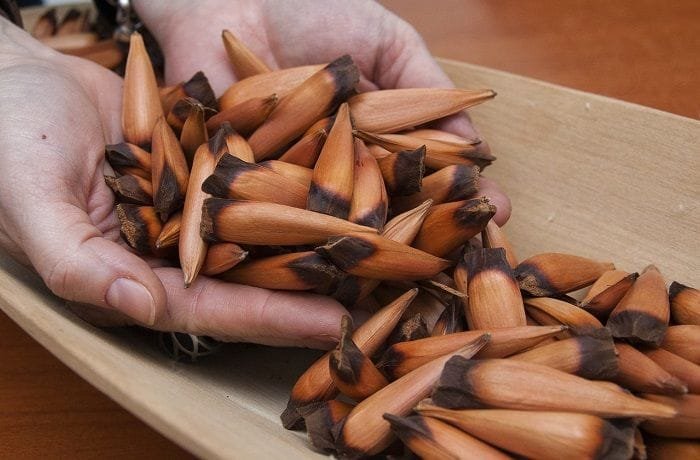
Pinones, called ngulliu in Mapudungun, are the large edible seeds of the araucaria, a tree sacred to the Mapuche people that grows in the Andean forests of the Biobio and Araucania regions. They are boiled, roasted, or dried and ground into the flour used in this recipe.
Sopaipillas in Chilean Cooking
The sopaipilla is one of Chile’s best loved street and home foods, usually made with pumpkin in the center of the country and without it in the south. This pinon version adds an Indigenous ingredient to the classic, turning it into a heritage recipe from the araucaria forests.
Did You Know?
Pinones contain omega 3 and omega 6 fatty acids and are a good source of fiber, which makes them filling and gives these sopaipillas more nutritional value than the classic version.
How to adapt this recipe to a vegan or vegetarian version?
How to adapt this recipe to a gluten-free version?
How to adapt this recipe to a keto (ketogenic) version?
Recommended
- Chilean Gluten Free Sopaipillas Recipe
- Chilean Pinones in Syrup Recipe
- Merken Sauteed Pinones Recipe
- Chilean Pickled Pinones Recipe