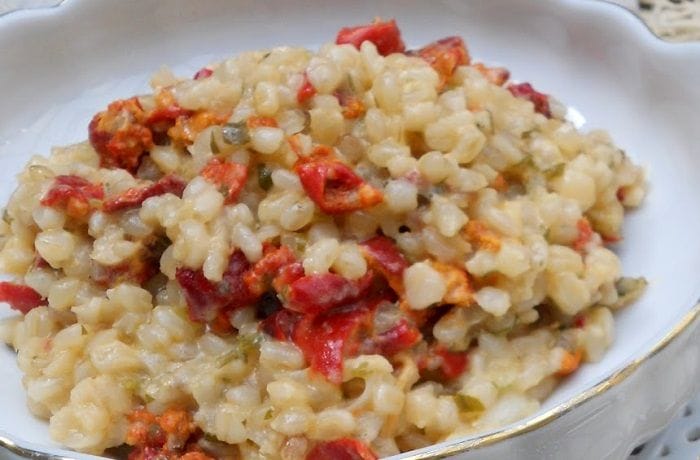
Chilean piure sea squirt rice is a lesser-known homemade recipe, but very popular in southern Chile thanks to how easy it is to make and how well it turns out, enjoyed on its own or alongside boiled potatoes, for example. It takes 30 minutes of prep plus 30 minutes of cooking, and serves four.
When preparing piure rice, round rice is recommended, since it allows for better absorption of the piure’s juices, infusing the whole dish with flavor and balance, whether you prefer it dry or a bit juicy.
How to Make Chilean Piure Rice?
When preparing piure rice, round rice is recommended, since it allows for better absorption of the piure’s juices, infusing the whole dish with flavor and balance, whether you prefer it dry or a bit juicy.
Nutritional Information
Each serving of piure rice contains approximately 320 kcal, 55 g of carbohydrates, 5 g of fat, 10 g of protein, 2 g of fiber, 2 g of sugars, 20 mg of cholesterol, and 250 mg of sodium. (*) Values may vary depending on the ingredients and portion sizes used.
Homemade Chilean Piure Rice Recipe
Preparation: 30 minutes
Cooking: 30 minutes
Servings: 4 people
Ingredients
- 600 ml purified water
- 300 g (10.5 oz) white rice
- 200 g (7 oz) fresh piure
- 100 ml white wine
- 1 minced garlic clove
- ½ onion, diced
- ½ bell pepper
- Fresh cilantro
- Fine sea salt

Essential Tools
- Medium pot with lid
- Sharp knife
- Wooden spoon
Instructions
- Wash the piure very well in cold water and remove any impurities or dirt with a sharp knife, rinse, and set aside. In a medium pot, add a splash of oil and heat over medium heat; add the rice and saute, stirring with a wooden spoon.
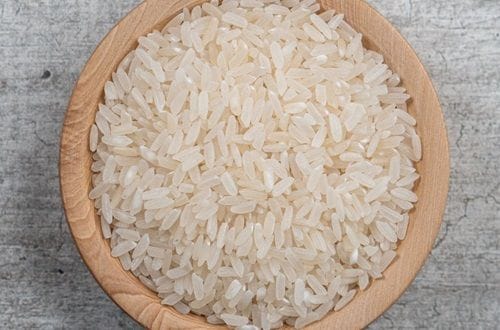
- Add the onion, garlic, and julienned bell pepper, and keep cooking for a couple more minutes until the onion turns translucent. Add the piure with its juice, stir it into the sofrito, and cook over low heat for about 10 minutes, stirring occasionally, then cover with the water.
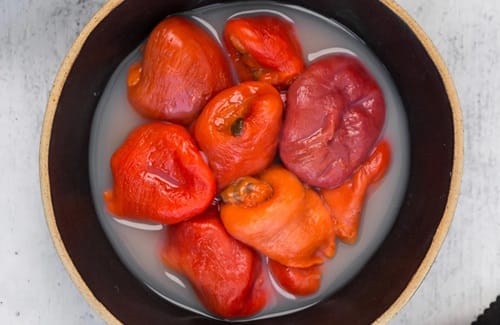
- Bring to a boil, lower the heat, and cook slowly for about 20 minutes over a heat diffuser or until the rice is cooked; add the white wine, mix everything gently, and let rest. Serve immediately, optionally topped with plenty of freshly chopped cilantro and/or boiled potatoes.
Additional Tips
Let the Piure Sit in Salted Water First
Before cooking the piure, let it sit in salted water for 10 minutes so it purges any bitter residue and its natural briny flavor comes through without being overpowering.
Add the Wine Only at the End
Add the white wine only at the end of cooking, once the rice is ready, so it keeps its fresh, fruity aromas, enhancing the piure’s flavor without evaporating away.
Choose Round Rice for Better Absorption
Round (short-grain) rice absorbs the piure’s intense juices better than long-grain rice, giving a more evenly flavored dish from the first bite to the last.
| Original Ingredient | Substitute | Notes |
|---|---|---|
| Fresh piure | Canned piure, well drained | Boost flavor with extra white wine or fish stock |
| White rice (round) | Arborio rice | Similar starch content, gives a creamier result |
| White wine | Fish stock with a splash of lemon | For an alcohol-free version |
| Bell pepper | Red bell pepper | Sweeter flavor, same texture |
Frequently Asked Questions (FAQs)
1. What is piure and what does it taste like?
Piure (Pyura chilensis) is a filter-feeding marine tunicate, considered an endemic Chilean shellfish. It has a very strong, briny, iodine-forward, slightly bitter flavor that intensely evokes the sea.
2. What type of rice works best with piure?
Round (or short-grain) rice is recommended. This type of rice better absorbs the intense juices of the piure, letting the briny flavor blend evenly throughout the dish.
3. How do I clean fresh piure before cooking?
Wash the piure in cold water and remove any dirt or impurities with a sharp knife. To reduce the bitter flavor, let it sit in salted water for 10 minutes before using.
4. Can canned piure be used?
If using canned piure, drain the canning liquid well before adding it. You can boost the flavor with a bit more white wine or fish stock.
Did You Know?
The Spanish word “piure” comes from the Mapudungun name “piür” or “piïɹ,” and it’s a filter-feeding marine animal that often lives in dense population clusters along the coasts of Chile.
How to adapt this recipe to a vegan or vegetarian version?
How to adapt this recipe to a gluten-free version?
How to adapt this recipe to a keto (ketogenic) version?
Recommended
- Chilean lemon and abalone risotto
- Chilean piure sea squirt casserole
- Chilean sea urchins with matico
- Chilean homemade pan amasado