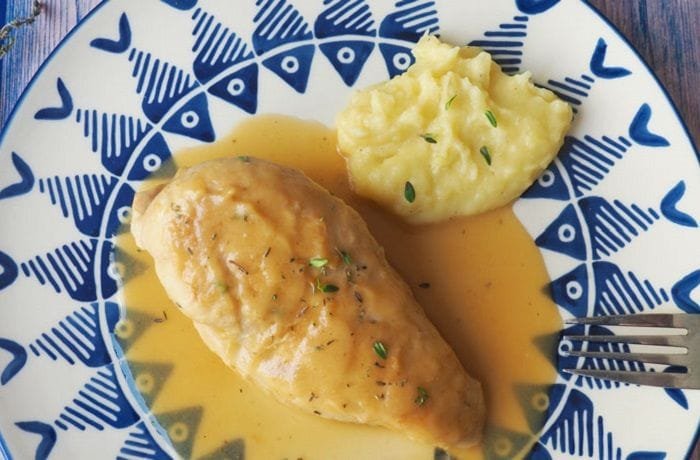
Chilean pollo al jugo is chicken pieces browned in oil and then braised in vegetable broth with sautéed onion, garlic, cumin, and bay leaves until tender and juicy. It takes 15 minutes of preparation and about 30 minutes of cooking, and serves 4.
It is a simple, classic dish of Chilean home cooking, quick to make and ideal with rice, mashed potatoes, or salads.
How to Make Chilean Pollo al Jugo?
You can use any chicken pieces you like, although a mix of breast and thighs gives the best flavor. The chicken is seared until golden, an onion sofrito with garlic and cumin is cooked in the same pot, and the chicken is returned with broth and bay leaves to simmer covered for about 20 minutes.
Nutritional Information
Each serving of pollo al jugo contains approximately 280 kcal, 32 g of protein, 15 g of fat, 2 g of carbohydrates, 1 g of sugars, 1 g of fiber, and 750 mg of sodium. These values are estimates and may vary depending on ingredients and portion sizes.
Homemade Chilean Pollo al Jugo Recipe
Preparation: 15 minutes
Cooking: 30 minutes
Servings: 4
Ingredients
- 500 ml (2 cups) of vegetable broth
- 8 chicken pieces
- 2 garlic cloves, chopped
- 2 bay leaves
- 1 onion, sliced
- ½ teaspoon of ground cumin
- Sunflower oil
- Fine salt
- Black pepper
Instructions
- In a large pot or skillet, heat a splash of oil over medium high heat. Add the chicken, seasoned with salt and pepper, and cook for about 5 minutes per side until golden.
- Remove and set aside. In the same oil, add the sliced onion and cook for about 5 minutes, stirring with a wooden spoon, until translucent.
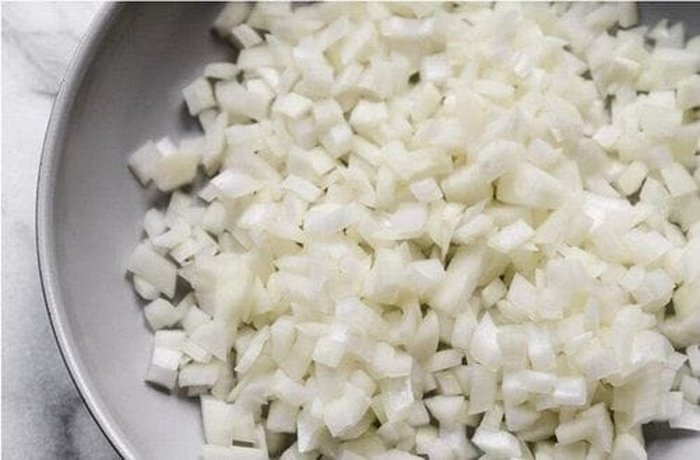
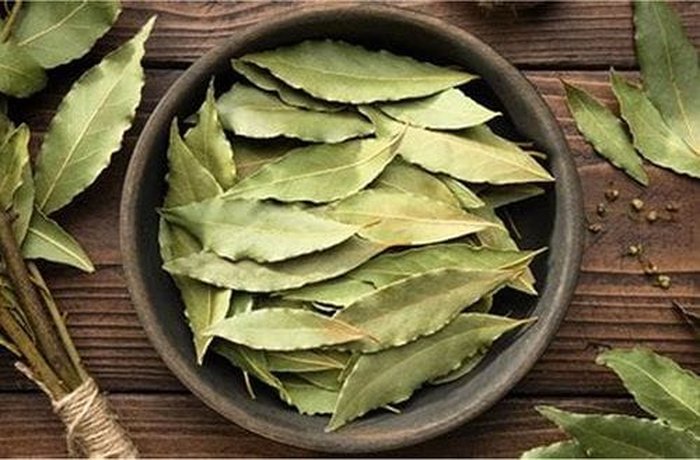
- Add the garlic and cumin and cook for 2 more minutes. Pour in the broth, lower to medium heat, return the chicken to the pot, and add the bay leaves. Bring to a boil, then lower the heat to the minimum and simmer covered for about 20 minutes.
- Check that the chicken is fully cooked. Serve right away, on its own or with arroz primavera, mashed potatoes, or salads.
Additional Tips
Sear well
Brown the chicken thoroughly in hot oil before adding liquid. The golden skin adds flavor and leaves caramelized bits in the pot that enrich the juice.
Simmer gently
Cook covered over low heat most of the time. A gentle simmer keeps the chicken from drying out and lets the bay, onion, and cumin blend with its juices.
Thicken the juice
If the juice is too thin, uncover the pot for the last 5 minutes or add a teaspoon of cornstarch dissolved in cold water.
| Original ingredient | Substitute | Ratio | Flavor note |
|---|---|---|---|
| Vegetable broth | Chicken broth | 1:1 | Richer |
| Chicken pieces | Boneless thighs | 800 g | Faster, juicier |
| Cumin | Oregano | 1 teaspoon | More herbal |
| Plain | Add carrots and peas | 1 cup | More complete meal |
Frequently Asked Questions (FAQs)
1. What can I do if the juice is too thin?
Uncover the pot for the last 5 minutes so it reduces, or thicken it with a teaspoon of cornstarch dissolved in cold water.
2. How long does it keep in the fridge?
Up to 3 days in an airtight container. You can also freeze it for up to 2 months.
3. What else can I add?
Sliced carrots, bell peppers, peas, or diced potatoes turn it into a more complete meal.
4. Which chicken pieces are best?
A mix of breast and thighs works best, since the thighs stay juicy and add flavor to the sauce while the breast gives lean meat.
What Is Pollo al Jugo?
Pollo al jugo, chicken in its own juices, is one of the simplest everyday dishes in Chile. The name refers to the light, savory sauce formed by the broth and the chicken drippings, perfect for spooning over rice or mashed potatoes.
Benefits of Chicken
Chicken provides high quality protein with all the essential amino acids, and it is a good source of B vitamins, especially B3, B6, and B12.
Did You Know?
Chicken is a staple in almost every cuisine in the world, and studies suggest it was domesticated thousands of years ago in South and Southeast Asia.
How to adapt this recipe to a vegan or vegetarian version?
How to adapt this recipe to a gluten-free version?
How to adapt this recipe to a keto (ketogenic) version?
Recommended
- Chilean Pollo al Coñac Recipe
- Chilean Mongolian Chicken Recipe
- Chilean Mashed Potatoes Recipe
- Chilean Arroz Primavera Recipe