
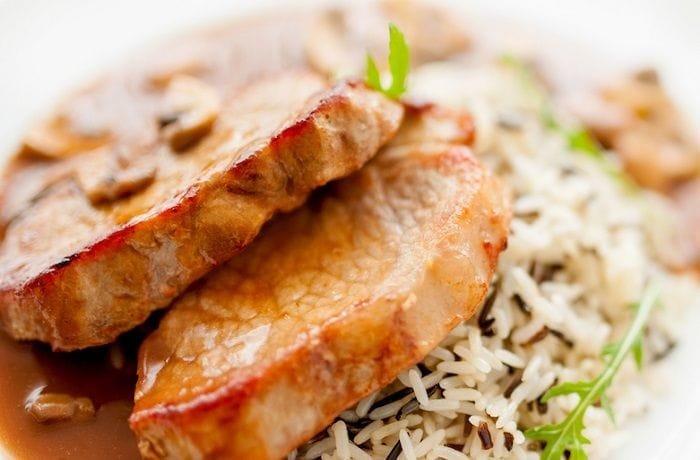
Chilean pork tenderloin with pisco, or filete de cerdo al pisco, is pork tenderloin browned in olive oil and braised with onion, garlic, a little tomato sauce, boiling water, and Chilean pisco until tender, finished with fresh parsley. It takes 20 minutes of preparation and about 40 minutes of cooking, and serves 4.
It is an original way to bring Chile’s national spirit into the kitchen, adding a unique aroma to a lean, tender cut.
How to Make Pork Tenderloin with Pisco?
Choose the pisco according to the flavor you want. An oak aged pisco gives the meat a slightly sweeter taste and helps it caramelize, while an unaged pisco adds fruitier, grape like aromas. The pork is browned, then braised covered with the onion, garlic, tomato, water, and pisco for about 30 minutes.
Nutritional Information
Each serving of pork tenderloin with pisco contains approximately 380 kcal, 34 g of protein, 18 g of total fat, 90 mg of cholesterol, 10 g of carbohydrates, 3 g of sugars, 2 g of fiber, and 450 mg of sodium. These values are estimates and may vary depending on ingredients and portion sizes.
Homemade Chilean Pork Tenderloin with Pisco Recipe
Preparation: 20 minutes
Cooking: 40 minutes
Servings: 4
Ingredients
- 4 pork tenderloin fillets
- 100 ml of boiling water
- 50 ml of Chilean pisco
- 2 tablespoons of olive oil
- 1 medium onion
- 1 garlic clove, chopped
- 1 tablespoon of tomato sauce
- 1 tablespoon of fresh parsley
- Fine salt
- Black pepper
Instructions
- In a large pot, heat a splash of olive oil over medium heat and add the pork fillets without overlapping them. Brown them well, about 3 to 5 minutes per side.
- Add the onion cut into thin wedges and the chopped garlic and sauté for a couple of minutes. Add the tomato sauce, boiling water, and pisco, season with salt and pepper, stir gently with a wooden spoon, and raise the heat until it boils.

- Cover the pot and cook over low heat for about 30 minutes. Serve right away, garnished with chopped fresh parsley, with roasted potatoes, arroz primavera, or salads.
Additional Tips
Do not crowd the pan
Brown the fillets without overlapping so the oil stays hot and a golden crust forms that seals in the juices of this lean cut.
Keep the heat low
Pork tenderloin is almost fat free and dries out if overcooked. Low heat and a covered pot let the pisco and onion moisture penetrate the meat.
Pick your pisco
Piscos of 35 to 40 degrees are the most balanced for cooking. Aged piscos give rounder, caramel notes, young ones a fresher grape aroma.
| Original ingredient | Substitute | Ratio | Flavor note |
|---|---|---|---|
| Chilean pisco | Brandy | 1:1 | Deeper, woody |
| Chilean pisco | Dry white wine | 100 ml | Milder, no spirit |
| Pork tenderloin | Chicken breast | 4 pieces | Lighter, cooks faster |
| Tomato sauce | Tomato paste | 1 teaspoon | More concentrated |
Frequently Asked Questions (FAQs)
1. Does the alcohol stay in the dish?
Most of the alcohol evaporates during the boiling and the 30 minutes of slow cooking, leaving mainly the aromatic compounds of the grape.
2. What is the difference between filete and solomillo?
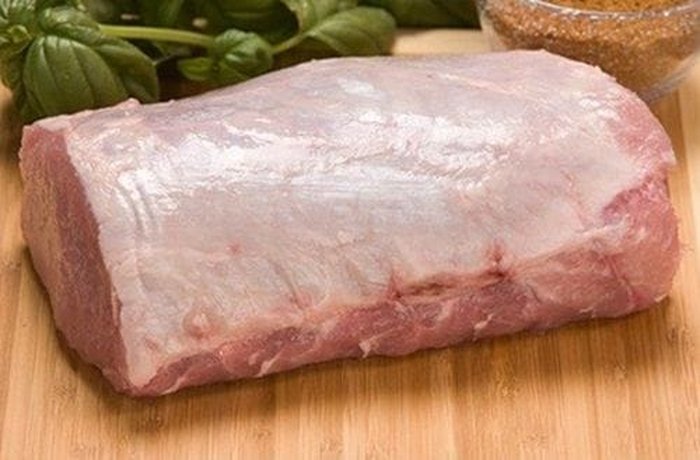
In Chile both names are used for the same lean cut, the pork tenderloin, which lies along the loin and has almost no sinew or fat.
3. Can I use any strength of pisco?
Yes, but piscos of 35 or 40 degrees are the most balanced for cooking, since they reduce evenly without turning harsh.
4. What side dish goes best?
Given the sweet and tangy pisco sauce, roasted potatoes or arroz primavera are ideal, since they soak up the juices without competing with the main flavor.
Chilean Pisco Designation of Origin
Chilean pisco has a designation of origin that limits its production to the Atacama and Coquimbo regions, made from aromatic grape varieties such as Muscat of Alexandria, Pink Muscat, Torontel, and Pedro Jiménez. It is one of the oldest designations of origin in the Americas.
What Is Filete de Cerdo?
Filete de cerdo, also called solomillo, is the pork tenderloin, a small, lean, and very tender cut taken from along the loin. It cooks quickly and benefits from braising or careful searing to stay juicy.
Did You Know?
Pisco is Chile’s national spirit and the base of classic drinks such as the pisco sour and the piscola, but it is also used in Chilean cooking to flambé and braise meats and to flavor desserts.
How to adapt this recipe to a vegan or vegetarian version?
How to adapt this recipe to a gluten-free version?
How to adapt this recipe to a keto (ketogenic) version?
Recommended
- Chilean Pot Braised Pork Tenderloin Recipe
- Chilean Roast Pork Loin Recipe
- Chilean Arroz Primavera Recipe
- Chilean Piscola Cocktail Recipe