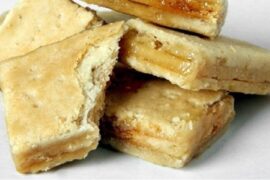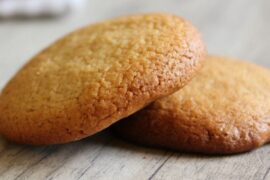
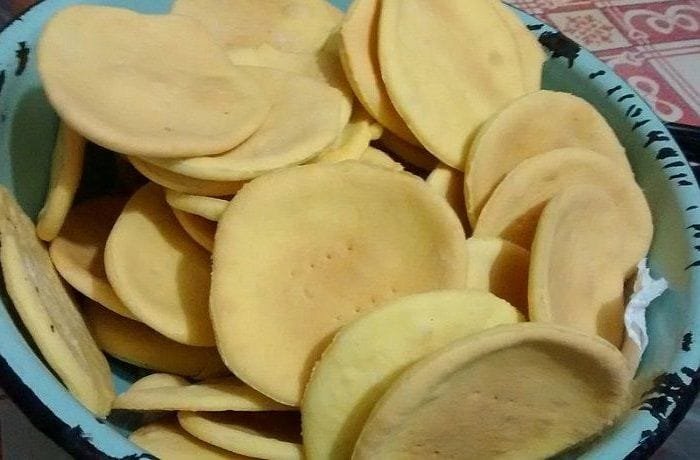
Gluten-free hojarascas are a practical recipe that stays true to the spirit of traditional Chilean baking, delivering the same crisp, delicate wafers, but adapted for anyone who doesn’t eat gluten. They’re the perfect base for alfajores, chilenitos, and princesas, classics of Chile’s Independence Day celebrations.
Hojarascas get their name from their brittle, dry-leaf-like texture, and this version swaps out wheat flour for a blend of rice flour, cornstarch, and chuño (potato starch) to keep that same crumbly bite.
How to Make Gluten-Free Hojarascas?
Gluten-free hojarascas rely on a blend of rice flour, cornstarch, and potato starch instead of wheat flour, bound with egg yolks and a splash of pisco into a firm, workable dough.
Nutritional Information
Each serving of gluten-free hojarascas contains approximately 145 kcal, 17 g of carbohydrates, 6 g of fat, 4 g of protein, 1 g of fiber, 0 g of sugars, 120 mg of cholesterol, and 20 mg of sodium.
(*) Values may vary depending on ingredients and portion sizes.
Homemade Gluten-Free Hojarascas Recipe
Prep time: 30 minutes
Cook time: 10 minutes
Servings: 6 people
Ingredients
- 150 g rice flour
- 50 g cornstarch
- 25 g potato starch (chuño)
- 5 egg yolks
- 1 tablespoon pisco
- 1/2 teaspoon xanthan gum
Instructions
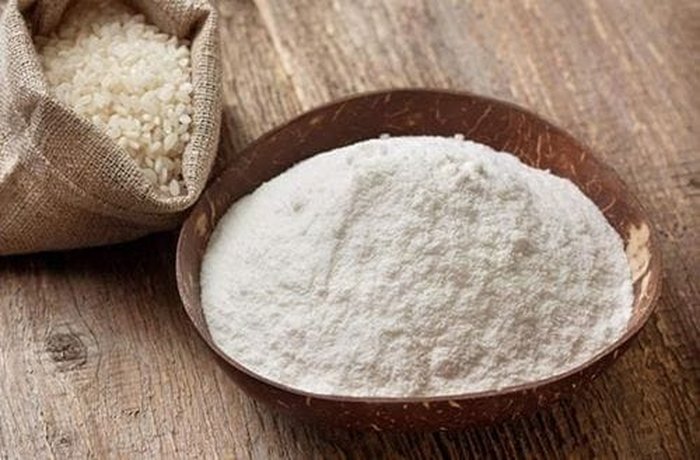
- Preheat the oven to 200°C (392°F) for at least 10 minutes. In a large bowl, sift the rice flour, cornstarch, potato starch, and xanthan gum together.
- Add the egg yolks one at a time, then slowly add the pisco. Mix well and knead until you get a firm, smooth, relatively dry dough. On a clean surface, roll the dough out to a thickness of 2 to 3 mm.
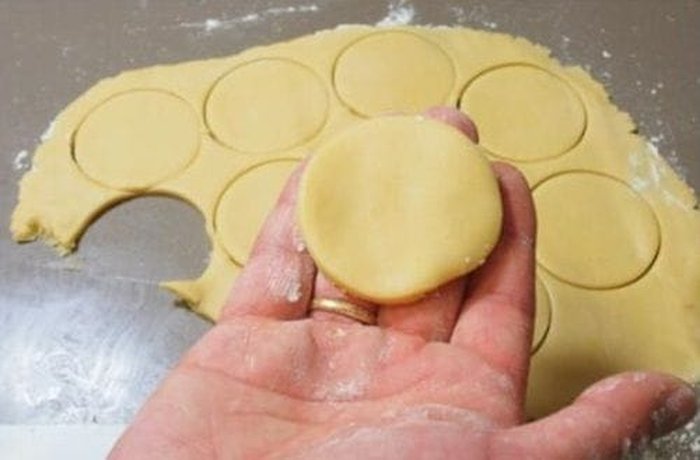
- Cut into circles about 4 to 5 cm in diameter and prick with a fork. Place on a greased baking tray and bake for 8 to 10 minutes, avoiding letting them brown. Remove and let cool on a rack.
Additional Tips
Chill the Dough for Extra Crispness
For extra crunch, let the dough rest in the fridge for 20 minutes before rolling it out.
Use Cold Trays for a Perfect Shape
If you want them to hold a perfect shape, use cold baking trays and bake in the middle of the oven.
Try Alternative Gluten-Free Flours
Rice flour can be swapped for sorghum flour, refined corn flour, or gluten-free oat flour; all will give the hojarascas a good texture.
| Substitution | Use instead of | Effect |
|---|---|---|
| Sorghum flour | Rice flour | Similar texture, different flavor note |
| Cognac, rum, or orange juice | Pisco | Alcohol-free option with orange juice |
| Gluten-free oat flour | Rice flour | Slightly nuttier flavor |
| Refined corn flour | Rice flour | Comparable crumbly texture |
Frequently Asked Questions (FAQs)
1. What alternatives are there to rice flour?
You can replace it with sorghum flour, refined corn flour, or gluten-free oat flour; all of them will give the hojarascas a good texture.
2. How long do unfilled hojarascas keep?
Stored in a jar or airtight container, they keep for up to 1 week at room temperature.
3. Can I replace the pisco?
Yes, you can use cognac, rum, or orange juice instead, for an alcohol-free version.
4. Can hojarascas be frozen?
Yes, unfilled hojarascas keep in the freezer for up to 2 months. Just thaw at room temperature before using.
5. How do I keep them from softening once filled?
It’s best to fill them shortly before serving and keep them in a cool, dry place, since the moisture from the manjar can soften them over time.
Origin of Chilean Hojarascas
In Chile, this preparation evolved from Spanish colonial baking, becoming a key building block of traditional Chilean sweets that are eaten widely during Fiestas Patrias.
Did You Know?
The name “hojarasca” comes from the Latin “folium” (leaf) plus the suffix “-sco,” meaning “a bunch of.” Its light, crumbly texture evokes exactly that, a handful of dry leaves crunching apart.