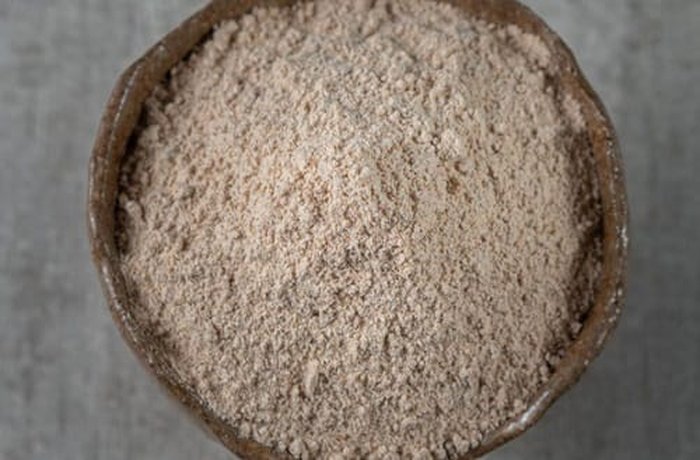
Chilean harina tostada is toasted wheat flour made by cleaning and drying whole wheat grains, toasting them slowly in a callana or cast iron pan until deep golden, and grinding them into a fine powder. It takes 20 minutes of preparation plus 25 minutes of toasting and makes about 30 servings.
It is a fundamental ingredient of traditional Chilean cooking, especially in the south, and its artisanal preparation preserves techniques handed down through generations. The toasting gives it an unmistakable, slightly smoky flavor.
How to Make Chilean Toasted Flour at Home?
Making harina tostada at home is simple but takes patience and attention. You clean and dry the wheat, toast it slowly in a traditional clay callana or a heavy iron pan while stirring constantly, let it cool, and grind it finely.
Nutritional Information
Each 30 g serving of toasted wheat flour contains approximately 105 kcal, 3 g of protein, 1 g of total fat (0.2 g of saturated fat), 0 mg of cholesterol, 22 g of carbohydrates, 0.3 g of sugars, and 1 mg of sodium. These values are estimates and may vary depending on ingredients and portion sizes.
Homemade Chilean Harina Tostada Recipe
Preparation: 20 minutes
Cooking: 25 minutes
Servings: 30 (30 g each)
Ingredients
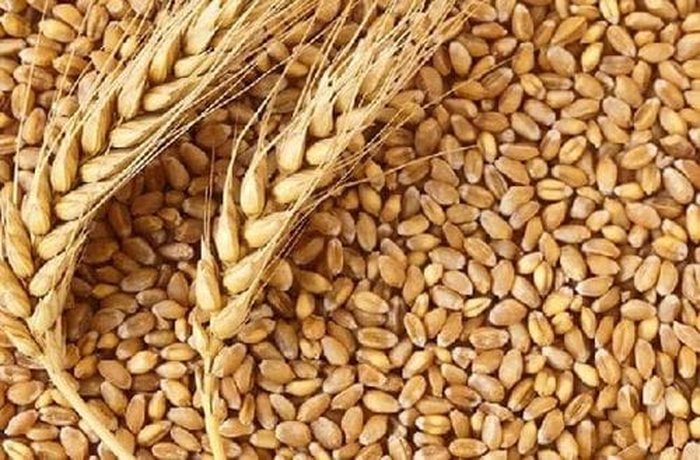
- 2 kg (4.4 lb) of raw whole wheat grains
Instructions
- Sort and clean the wheat, removing impurities, bits of husk, or broken grains. Rinse the grains in cold water until the water runs clear. Drain and dry the wheat by spreading it on a clean cloth in the sun until all moisture is gone.
- Heat a heavy cast iron pan or set a traditional callana directly over the fire. Add the wheat without overcrowding and toast it slowly, shaking or stirring constantly with a wooden spoon so the heat is even.
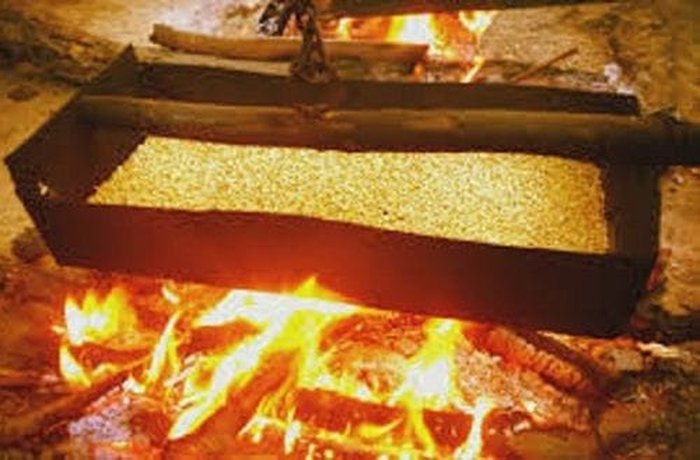
- Watch the color until the wheat turns deep golden, without letting it burn, which would make it bitter. Spread it on a tray and let it cool completely.
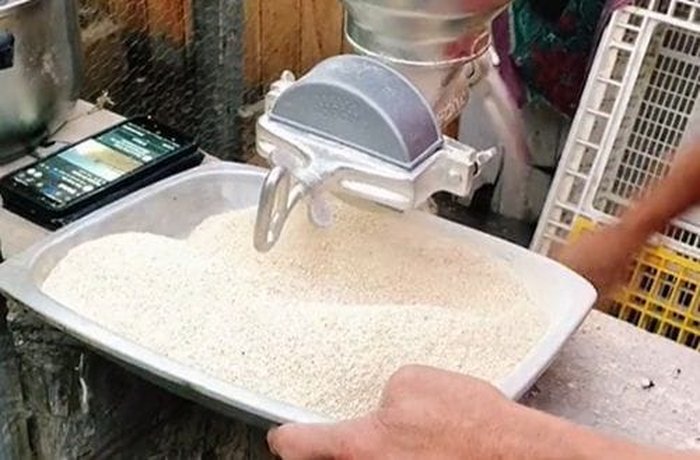
- Grind the toasted grains in a hand mill, stone mortar, or electric mill until you have a fine powder. Sift it if you like to remove coarse bits and get an even flour. Store in airtight jars in a cool, dry place.
Additional Tips
Grind it fine
For an even texture, grind again or adjust the mill until the flour is uniform. Flour that is too coarse can scratch the throat when eaten.
Try other grains
Mix the wheat with other raw seeds such as flax, quinoa, or oats for a varied and even more nutritious flour.
Toast in batches
Toasting in small batches keeps every grain in contact with the hot surface, so the color is even and nothing burns.
| Original ingredient | Substitute | Ratio | Flavor note |
|---|---|---|---|
| Wheat | Barley | 1:1 | Nuttier, darker |
| Callana | Cast iron pan | 1:1 | Same result |
| Hand mill | Electric grinder | 1:1 | Faster |
| Plain wheat | Wheat with flax or quinoa | 4:1 | More nutritious |
Frequently Asked Questions (FAQs)
1. What is a callana?
A callana is a traditional shallow clay pan used in the Chilean countryside to toast grains over an open fire. A heavy cast iron pan is a good substitute.
2. How do I know the wheat is toasted enough?
It should turn an even deep golden color and smell nutty. If it darkens too much or smells burnt, it will taste bitter.
3. How long does homemade harina tostada keep?
In airtight jars in a cool, dry place it keeps for several months, since toasting removes much of the moisture.
4. What can I make with harina tostada?
It is used in ulpo, chupilca, sanco, caldos, breads, cookies, and sprinkled over fruit or milk.
Origin of Toasted Flour
Toasted flour has deep roots in Mapuche and rural cooking in southern Chile. It was an energy rich, long lasting food for field work and long journeys, and it became the base of traditional preparations such as ulpo, the toasted flour drink.
Benefits of Toasted Flour
Toasted wheat flour keeps the nutrients of the whole grain, fiber, B vitamins, iron, and magnesium, and provides slow release energy. Toasting also reduces moisture, extending its shelf life without preservatives.
Did You Know?
In colonial and early republican Chile, toasted flour was part of the travel ration of muleteers and soldiers, since a little water or wine was enough to turn it into a quick, nourishing meal.
How to adapt this recipe to a vegan or vegetarian version?
How to adapt this recipe to a gluten-free version?
How to adapt this recipe to a keto (ketogenic) version?
Recommended
- Chilean Ulpo Recipe
- Chilean Mapuche Sanco Recipe
- Chilean Toasted Flour Bread Recipe
- Chilean Chupilca Recipe