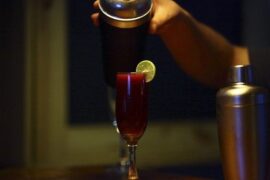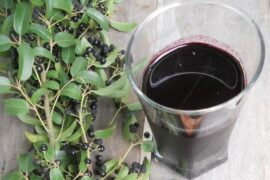
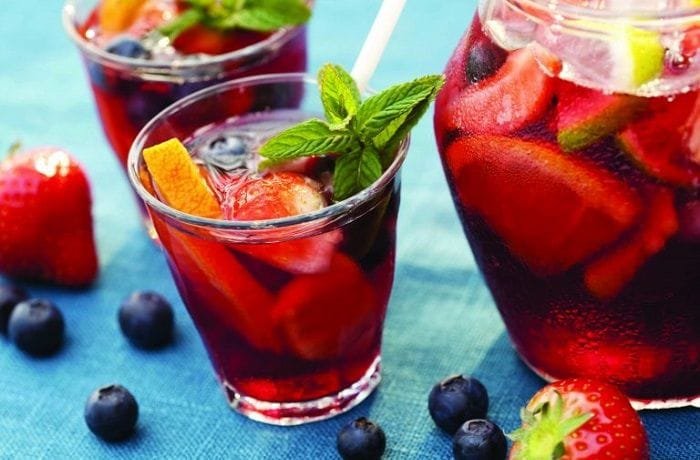
Sangria is probably the most universal export of Spanish cocktail culture, and it’s often said there are as many recipes for it as there are people who make it. The Chilean take builds on the classic red wine and macerated fruit base, adding pisco and blueberries for a local twist.
Both versions rely on the same idea, chopped fresh fruit macerated with sugar before the wine and spirits go in, giving the drink time to pick up the fruit’s juices and aromas before serving.
How to Make Chilean-Style Sangria?
Chilean sangria starts from red wine and chopped, macerated fresh fruit, the same base as the classic Spanish version, but adds pisco and blueberries for a distinctly Chilean profile.
Nutritional Information
Each serving of sangria contains approximately 266 kcal, 0.7 g of protein, 0.3 g of total fat, 0 mg of cholesterol, 34 g of carbohydrates, 32 g of sugars, and 7 mg of sodium. (*)
(*) Values may vary depending on ingredients and portion sizes.
Homemade Chilean Sangria Recipe
Prep time: 15 minutes
Servings: 4 people
Ingredients
- 750 ml red wine
- 100 ml pisco
- 100 g sugar
- 50 g blueberries
- 10 ml orange liqueur
- 10 ml cassis liqueur
- 10 ml blueberry juice
- 5 ml vodka
- 2 oranges
- 1 green apple
- Ice cubes

Instructions
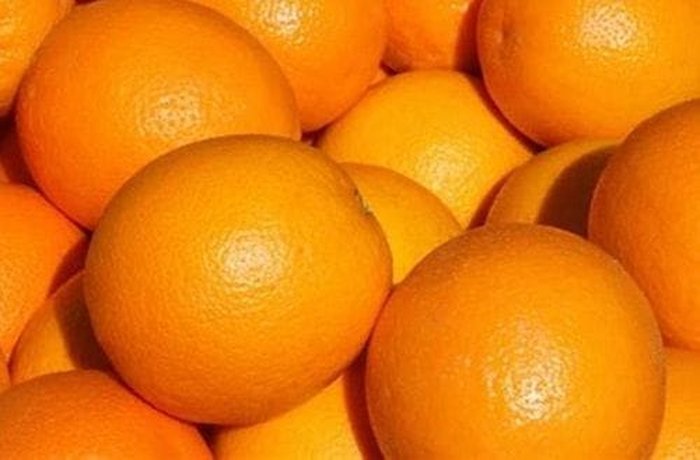
- Wash the apple and oranges, cut into medium pieces without peeling, and set aside in a large pitcher of at least 2 liters; cover with the sugar and let rest for 5 minutes.
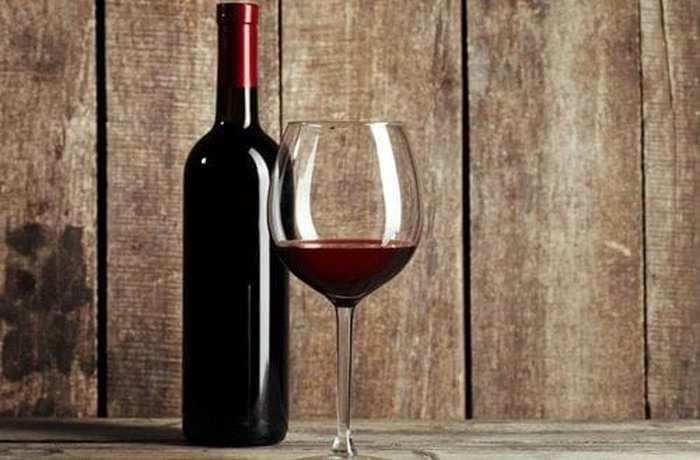
- Pour all the wine into the pitcher with the chopped fruit, add the blueberries, stir gently until the sugar dissolves, cover with plastic wrap, and chill for at least one hour.
- Add the pisco, orange liqueur, cassis liqueur, vodka, and blueberry juice, stir to combine the aromas and flavors, taste and adjust sweetness if needed. Serve the Chilean sangria right away with ice cubes to taste.
Additional Tips
Macerate Before Adding the Wine
Sangria needs to rest cold so the chopped fruit, apple and orange, releases its juices and citrus oils, letting them blend with the sugar and red wine before the spirits go in.
Choose a Light, Young Red Wine
For the classic Spanish version, young, fruity wines like tempranillo work best, and for the Chilean version a light red wine is recommended too, so the fruit and pisco flavors aren’t overpowered.
Try It With Spanish-Style Fruit and Brandy
For a Spanish-style sangria, swap the pisco and blueberries for peaches, pear, cinnamon, and a splash of brandy or cognac, topped up with lemon soda before serving over ice.
| Substitution | Use instead of | Effect |
|---|---|---|
| White wine | Red wine | Lighter, crisper sangria |
| Raspberries or strawberries | Blueberries | Sweeter, tangier fruit note |
| Lemon soda | Blueberry juice | Lighter, fizzier drink |
| Brandy or cognac | Pisco | Closer to the classic Spanish style |
Frequently Asked Questions (FAQs)
1. Why does sangria need to macerate?
Sangria needs to rest cold so the chopped fruit releases its juices and citrus oils, blending their flavor with the sugar and red wine before serving.
2. Can I use the same wine for both versions?
The classic Spanish sangria traditionally uses young, fruity wines like tempranillo, and the Chilean version also calls for a light red wine so the fruit and pisco flavors aren’t overwhelmed.
3. Can I make sangria without alcohol?
Yes, replace the wine with grape juice and skip the liqueurs and pisco, keeping the chopped fruit and a splash of soda for a non-alcoholic version with a similar look and aroma.
4. How far ahead can I prepare sangria?
It can be prepared up to 24 hours ahead and kept refrigerated, since the extra maceration time only deepens the fruit flavor; just add the ice right before serving.
What Is Sangria?
Sangria is a chilled, fruit-forward wine punch, built from red wine, chopped fresh fruit, and a splash of spirits, traditionally macerated to let the fruit’s juices blend into the wine before serving.
History of Sangria
The name sangria refers to the drink’s color, derived from the English word “sangaree,” itself an early version of the Spanish word “sangre” (blood).
Did You Know?
While sangria is best known as a Spanish creation, similar wine-and-fruit punches have existed across the Mediterranean and Latin America for centuries, each region adapting the base recipe to its own local fruit and spirits.