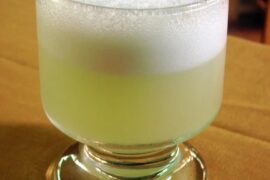
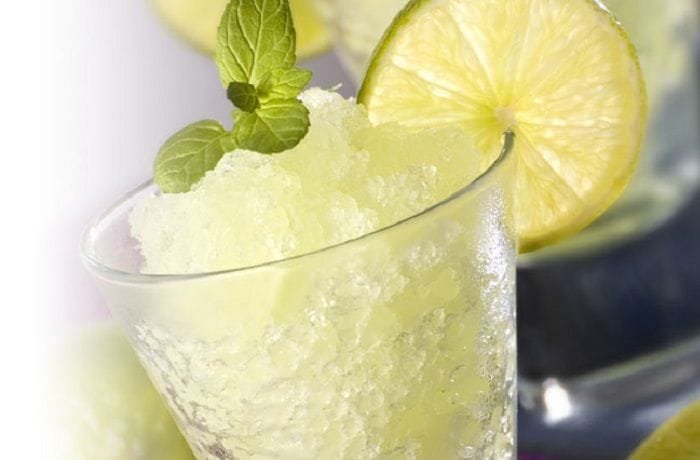
The Chilean frozen pisco sour, or pisco sour granizado, is the icy version of Chile’s best known cocktail. Whole Pica limes, small aromatic limes similar to key limes, are blended with ginger, pisco and gum syrup, and the mixture is frozen and then scraped with a fork until it looks like a granita. It takes 10 minutes of prep plus 12 hours in the freezer and makes 6 glasses, ideal for hot days.
If you are looking for the classic version, blended or shaken for a few seconds with ice and finished with a light foam and optional egg white, see our classic Chilean pisco sour recipe, linked at the end of this page.
How to Make Frozen Pisco Sour?
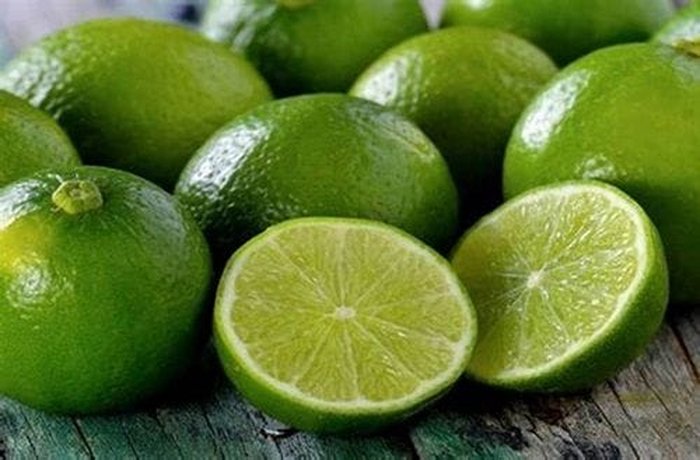
Frozen pisco sour is made with two traditional Chilean products, Chilean pisco, the country’s grape brandy, and Pica lime. The limes are blended whole in quarters, with the peel and without the seeds, so they add their aroma, and the mixture needs at least 12 hours in the freezer, so it is best to make it the day before.
Nutritional Information
Each serving of Chilean frozen pisco sour (one glass of about 110 ml / 3.7 fl oz) contains approximately 280 kcal, 34 g of carbohydrates, 0 g of protein, 32 g of sugars and 0 mg of sodium. These values are estimates and may vary depending on ingredients and portion sizes.
Homemade Frozen Pisco Sour Recipe
Preparation: 10 minutes, plus 12 hours in the freezer
Servings: 6 servings
Ingredients
- 375 ml (12.7 fl oz) Chilean pisco
- 240 ml (1 cup) gum syrup (jarabe de goma, a sugar syrup used in Chilean cocktails)
- 9 Pica limes (or key limes)
- 1 piece of fresh ginger

Instructions
- Wash the Pica limes well, cut them into quarters and remove the seeds. In the blender, put half of each ingredient (limes, ginger, pisco and gum syrup) and blend until smooth. Then repeat the same process with the rest of the limes, pisco and gum syrup.
- Pour the mixture into a glass container that is large enough and freeze it for at least 12 hours. Take the mixture out of the freezer and scrape it with a fork, starting from the surface, until it forms a granita. Divide the frozen pisco sour among 6 tall glasses or goblets and serve immediately, with a lime slice if you like.
Additional Tips
Make It the Day Before
The mixture needs at least 12 hours in the freezer, so plan ahead and blend it the day before you want to serve it. Use a wide glass container so the layer is not too thick and freezes evenly. The blending takes only 10 minutes, and the rest of the work happens in the freezer.
How to Scrape and Serve It
Scrape the frozen mixture with a fork, starting from the surface, until it forms a granita. Because of the alcohol and the sugar it stays as soft ice, but if it is too firm, leave it a few minutes at room temperature before scraping. Chill the glasses in the freezer for a few minutes beforehand so it does not melt quickly, and serve it right away.
Drinking Frozen Pisco Sour Responsibly
The recipe uses 375 ml of pisco for 6 glasses, so each glass has a little over 60 ml (2 fl oz) of pisco, and the slushy texture makes it easy to drink fast. Serve it only to adults of legal drinking age, offer something to eat with it and keep water or an alcohol-free option on the table. Do not drink it if you are going to drive.
How the frozen pisco sour compares with the classic pisco sour.
| Element | Classic pisco sour | Frozen pisco sour |
|---|---|---|
| Lime | Freshly squeezed lime juice | Whole Pica limes in quarters, with the peel and without seeds |
| Sweetener and extras | Powdered sugar or gum syrup, optional egg white and Angostura bitters | Gum syrup and ginger, no egg white |
| Method | Blended or shaken for a few seconds with ice and strained | Blended, frozen for at least 12 hours and scraped with a fork |
| Texture and serving | Liquid with a light foam, in a cocktail glass | Icy like a granita, in tall glasses or goblets |
Frequently Asked Questions (FAQs)
1. What Glass Do You Serve Frozen Pisco Sour In?
It is served in tall glasses or goblets, because the granita takes up more volume than a shaken pisco sour and is eaten almost with a spoon or sipped through a wide straw. It helps to chill the glasses in the freezer for a few minutes beforehand so it does not melt quickly.
2. Why Are Whole Pica Limes Used?
When the limes are blended in quarters, with the peel and without the seeds, the granita picks up the aroma of the oils in the skin, which is more intense than that of the juice alone. That is why it is important to wash them well and remove all the seeds, which make it bitter.
3. Why Doesn’t Frozen Pisco Sour Freeze Solid?
The alcohol in the pisco and the sugar in the syrup lower the freezing point of the mixture, so in the freezer it stays as soft ice that can be scraped with a fork. If it turns out very firm, just leave it a few minutes at room temperature before scraping.
4. What Is the Difference Between Classic and Frozen Pisco Sour?
The classic pisco sour is blended or shaken with lime juice, powdered sugar or syrup and ice, with egg white as an option, and is drunk right away. The frozen version has no egg white; whole Pica limes are blended with ginger, pisco and gum syrup, and the mixture is frozen for at least 12 hours before scraping.
What Is Frozen Pisco Sour?
Frozen pisco sour, called pisco sour granizado in Chile, is a slushy version of the pisco sour. Instead of shaking lime juice with ice, whole Pica limes are blended with their peel together with ginger, Chilean pisco and gum syrup. The mixture is frozen for at least 12 hours, and because the alcohol and sugar keep it from freezing solid, it is scraped with a fork into a granita and served in tall glasses.
History of Frozen Pisco Sour in Chile
The frozen pisco sour is a homemade variation of the pisco sour, a cocktail whose origin Chile and Peru both claim, just as they both claim pisco itself. It is built on two traditional Chilean products, pisco, the grape brandy made in the north of the country, and Pica lime, grown in the oases of the Tarapacá Region.
In Chile the pisco sour is the usual aperitif at family gatherings and celebrations, and the frozen version is the one many households prepare for hot days.
Did You Know?
The oldest known record of pisco is found in a 1717 inventory of assets belonging to Bartolomé Pérez de Valenzuela, a landowner from Alhué, in what is now the Santiago Metropolitan Region.
How to adapt this recipe to a vegan or vegetarian version?
How to adapt this recipe to a gluten-free version?
How to adapt this recipe to a keto (ketogenic) version?
Recommended
- Classic Chilean pisco sour
- Chilean mango sour made with pisco
- Homemade gum syrup (jarabe de goma) for cocktails
- Chilean malt with toasted flour