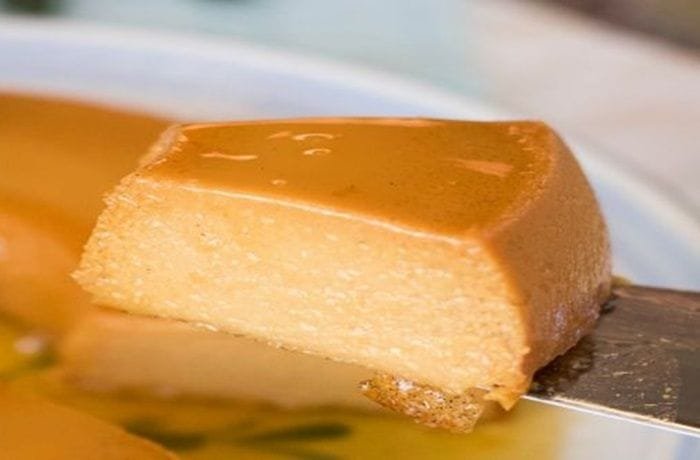
Chilean manjar flan, or flan de manjar, is a custard of milk, manjar (Chilean dulce de leche), eggs, sugar, and vanilla poured over a layer of amber caramel and baked in a water bath at 170°C (338°F) for about 60 minutes, then chilled and unmolded. It takes 20 minutes of preparation and 60 minutes of baking, plus chilling, and serves 8.
A classic dessert with a smooth, creamy texture and a comforting sweetness, ideal for family gatherings and celebrations.
How to Make Manjar Flan?
First the caramel is cooked and poured into the mold, then the manjar is dissolved in warm milk, whisked with eggs and vanilla, strained, poured over the caramel, and baked gently in a water bath until set.
Nutritional Information
Each serving of manjar flan contains approximately 420 kcal, 12 g of protein, 10 g of total fat (5 g of saturated fat), 145 mg of cholesterol, 70 g of carbohydrates, 68 g of sugars, and 140 mg of sodium. These values are estimates and may vary depending on ingredients and portion sizes.
Homemade Chilean Manjar Flan Recipe
Preparation: 20 minutes (plus 4 hours chilling)
Cooking: 60 minutes
Servings: 8
Ingredients
Caramel
- 1 cup of granulated sugar
- ¼ cup of water
Flan
- 500 g of manjar (Chilean dulce de leche)
- 6 eggs
- 3 cups of reduced fat milk
- ¼ cup of granulated sugar
- 1 teaspoon of vanilla extract
Instructions
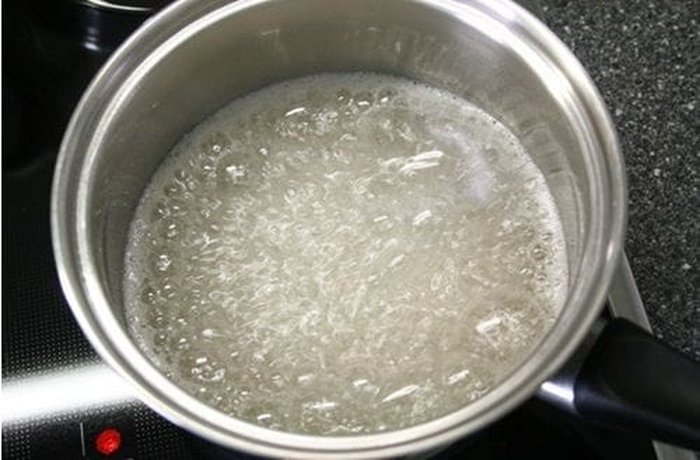
- In a saucepan, combine 1 cup of sugar with ¼ cup of water and cook over medium heat until the sugar dissolves and turns amber. Carefully pour the caramel into a flan mold, covering the bottom evenly.
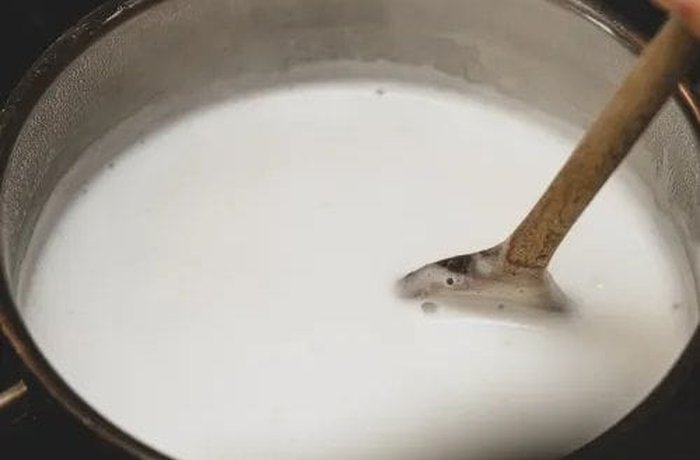
- In another saucepan, heat the 3 cups of milk with ¼ cup of sugar and the 500 g of manjar, stirring constantly until the manjar dissolves completely. Remove from the heat and let cool slightly.
- In a large bowl, beat the 6 eggs with the vanilla. Slowly add the milk and manjar mixture, whisking constantly so the eggs do not cook. Strain through a fine sieve for a smoother texture.
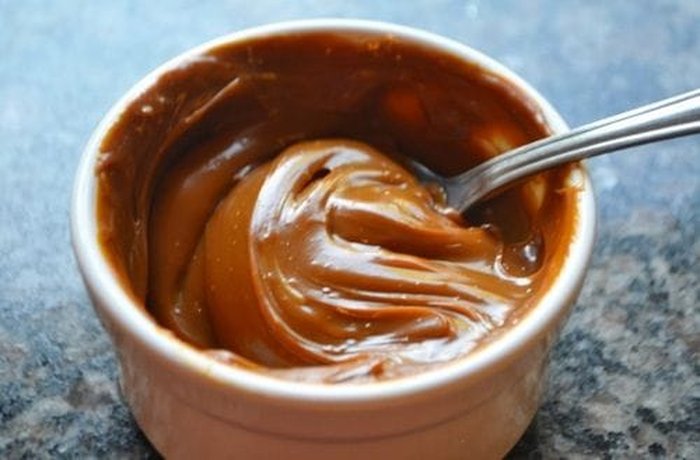
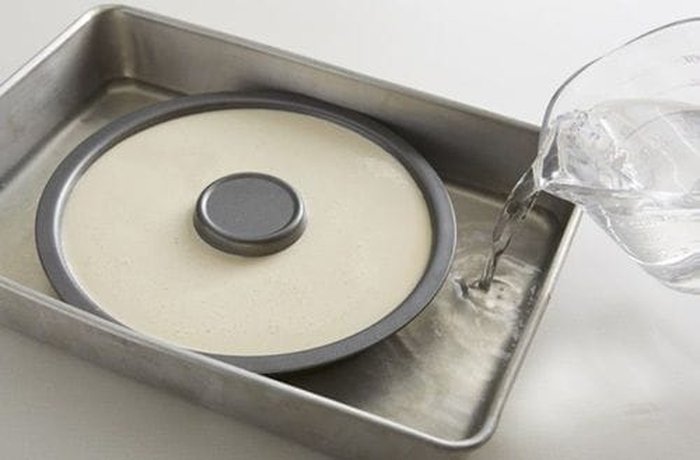
- Pour the strained mixture over the caramel. Set the mold in a larger pan with hot water and bake in an oven preheated to 170°C (338°F) for about 60 minutes, or until a toothpick inserted in the center comes out clean.
- Let cool to room temperature, then refrigerate for at least 4 hours. To unmold, run a knife around the edge and invert onto a serving plate.
Additional Tips
Keep the water bath gentle
Keep the water bath around 70°C (158°F), without boiling, adding a little cold water if needed, so the flan does not overcook or crack.
Avoid bubbles
Strain the mixture and do not overbeat, so the flan is smooth rather than porous.
Store it in the mold
Covered in the fridge it keeps 4 to 5 days. Leave it in the mold until serving.
| Original ingredient | Substitute | Ratio | Flavor note |
|---|---|---|---|
| Homemade manjar | Store bought manjar or dulce de leche | 500 g | More uniform flavor |
| Reduced fat milk | Whole milk | 3 cups | Creamier |
| Oven | Stovetop water bath, covered | About 60 minutes | No oven needed |
| Vanilla extract | Orange zest | 1 teaspoon | Citrus note |
Frequently Asked Questions (FAQs)
1. Can I use store bought manjar?
Yes. It is practical and gives a uniform flavor, while homemade manjar adds an artisanal touch.
2. What if the caramel hardens before I pour it?
Pour it hot straight into the mold. If it hardens, warm it gently in a water bath until liquid again.
3. Can I make manjar flan without an oven?
Yes, in a large covered pot as a stovetop water bath, cooking slowly and steadily. Cover the mold well so no water gets in.
4. How long does it keep in the fridge?
4 to 5 days, well covered, ideally in its mold until serving.
Origin of Flan
Flan has roots in ancient Rome, where eggs and sweetened milk were cooked together. The recipe spread through Europe and Latin America, adapting to local ingredients.
Did You Know?
Manjar has different names across Latin America: dulce de leche in Argentina and Uruguay, cajeta in Mexico, and arequipe in Colombia and Venezuela.
How to adapt this recipe to a vegan or vegetarian version?
How to adapt this recipe to a gluten-free version?
How to adapt this recipe to a keto (ketogenic) version?
Recommended
- Chilean Manjar Homemade Dulce de Leche Recipe
- Chilean Blackberry Flan Recipe
- Homemade Liquid Caramel for Flan Recipe
- Chilean Mote con Manjar Recipe