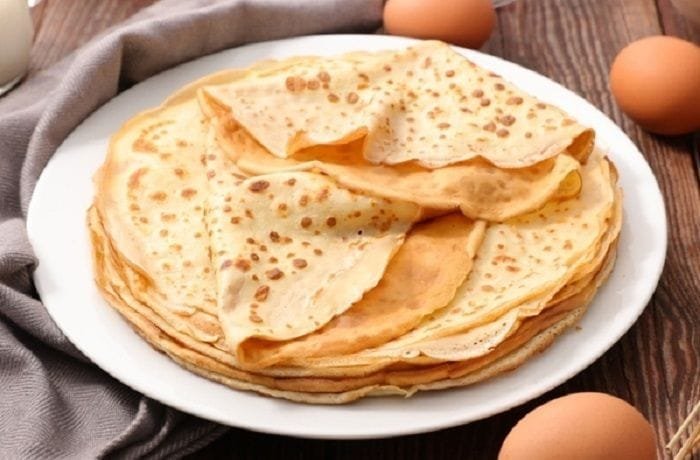
Chilean sweet panqueques are thin, flexible crepes made with flour, milk, eggs, and a little sugar, cooked in a lightly oiled pan and rolled with manjar, jam, or other fillings, with a gluten free version made with rice flour. They take 10 minutes of preparation and about 20 minutes of cooking, and serve 4.
They are one of the most beloved home preparations in Chile, served as a dessert or at the afternoon tea called once, and a neutral base for almost any sweet filling.
How to Make Chilean Sweet Panqueques?
The batter is a simple mix of sifted flour, eggs, sugar, and milk added gradually to avoid lumps. A small ladleful is spread thin in a hot, lightly oiled pan, cooked until set, flipped, and browned for about 30 seconds more. For the gluten free version, rice flour, more eggs, and melted butter give the crepes structure.
Nutritional Information
Each serving of traditional panqueques contains approximately 390 kcal, 12 g of protein, 8 g of fat, 110 mg of cholesterol, 64 g of carbohydrates, 26 g of sugars, 1 g of fiber, and 200 mg of sodium. Each serving of the gluten free version contains approximately 450 kcal, 13 g of protein, 20 g of fat (12 g of saturated fat), 52 g of carbohydrates, 12 g of sugars, 1 g of fiber, and 120 mg of sodium. These values are estimates and may vary depending on ingredients and portion sizes.
Homemade Chilean Sweet Panqueques Recipe
Preparation: 10 minutes
Cooking: 20 minutes
Servings: 4
Ingredients for Traditional Panqueques
- 200 g (1⅔ cups) of all purpose flour
- 500 ml (2 cups) of whole milk
- 80 g (⅓ cup plus 1 tablespoon) of sugar
- 2 eggs
- Vegetable oil
Instructions for Traditional Panqueques
- In a medium bowl, mix the sifted flour, eggs, and sugar with a spoon. Add the milk little by little, mixing into a light batter without lumps.
- In a medium skillet or crepe pan, add a few drops of oil and heat over medium heat. Pour in a small ladleful of batter and spread it into a thin, even layer.
- Cook until set, flip carefully, and brown the other side for about 30 seconds. Remove and repeat with the rest of the batter.
Ingredients for Gluten Free Panqueques
- 200 g (1¼ cups) of rice flour
- 500 ml (2 cups) of milk
- 50 g (3½ tablespoons) of butter, melted
- 25 g (2 tablespoons) of sugar
- 4 eggs
- ¼ teaspoon of salt
- Oil for the pan
Instructions for Gluten Free Panqueques
- In a medium bowl, whisk the milk and melted butter until smooth. Add the sifted rice flour, sugar, beaten eggs, and salt, and mix little by little until combined.
- In a medium skillet or crepe pan, add a few drops of oil, heat, and pour in enough batter to form a thin, even crepe. Cook over medium low heat until lightly golden, flip carefully, and finish cooking. Repeat with the rest of the batter.
Additional Tips
Sacrifice the first one
The first crepe often breaks or sticks because the pan has not reached an even temperature yet. Use it to calibrate the heat for the rest.
Rest the batter
Letting the batter rest for 15 to 30 minutes relaxes the flour and gives thinner, more flexible crepes.
Keep them soft
Stack the cooked crepes on a plate and cover them with a clean towel so they stay moist and flexible until you fill them.
| Original ingredient | Substitute | Ratio | Flavor note |
|---|---|---|---|
| Whole milk | Oat or soy drink | 1:1 | Slightly sweeter, paler |
| Wheat flour | Rice flour (gluten free version) | 1:1 plus 2 extra eggs | More fragile, needs eggs and butter |
| Vegetable oil | Butter | A little per crepe | Richer flavor, browns more |
| Sugar | No sugar | Omit | For savory fillings |
Frequently Asked Questions (FAQs)
1. Why does the first panqueque always break or stick?
When you start, the pan has not reached an even temperature and the film of oil has not yet formed a nonstick layer. Treat the first crepe as a test that calibrates the pan for the rest.
2. What do the eggs do in the batter?
Eggs bind and give structure to the batter. As they heat, their proteins set and trap the starch and liquid, which makes the crepe flexible and strong.
3. How does rice flour change the gluten free version?
Rice flour has no gluten, the elastic protein network that gives wheat batters their strength, so gluten free crepes break more easily. To compensate, the recipe doubles the eggs and adds melted butter.
4. Can I replace whole milk with water or plant drinks?
Yes, but it changes the result. Milk helps the crepes brown and adds flavor. With water they turn paler, crisper at the edges, and less flexible, while soy or oat drinks add a slightly sweet taste.
5. How do I store and reheat panqueques?
Stack them on a plate once completely cool and cover tightly with plastic wrap. They keep well in the fridge for up to 48 hours. Reheat them in a covered pan over very low heat with a teaspoon of water to create gentle steam.
Fillings for Panqueques
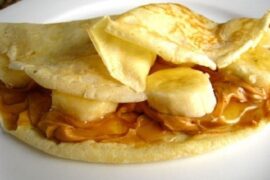
In Chile, panqueques are most often rolled with manjar, but jam, condensed milk, hazelnut spread, pastry cream, and seasonal fruit are also favorites. They are also the base of the famous torta de panqueques, layered with manjar and fruit.
History of Pancakes
Thin pancakes cooked on a griddle have been made since antiquity, and the ancient Romans already prepared sweet versions with honey. France turned them into the thin, delicate crêpe, and that style is the one followed by the Chilean panqueque.
Did You Know?
Celiac disease is an immune reaction to gluten, a protein found mainly in wheat, barley, and rye, which is why the rice flour version of this recipe is suitable for people who cannot eat gluten.
How to adapt this recipe to a vegan or vegetarian version?
How to adapt this recipe to a gluten-free version?
How to adapt this recipe to a keto (ketogenic) version?
Recommended
- Chilean Orange Pancake Cake Recipe
- Chilean Homemade Manjar Recipe
- Chilean Conejitos Pastry Cream Buns Recipe
- Blueberry Jam Recipe