
A classic summer cocktail in Chile, melon with wine, known simply as “melvin,” is a typical beverage to enjoy at the beach, picnics, and family gatherings—simple, delicious, and refreshing.
Nutrition Facts
Each serving of Chilean Melon with Wine (Melvin) contains approximately 300 kcal, 1 g of protein, 0.5 g of fat, 35 g of carbohydrates, 0 mg of cholesterol, and 15 mg of sodium.
(*) Estimated values may vary depending on ingredients and portions.
How to Make Melon with Wine
Chilean melon with wine, or “melvin,” has quickly become one of the most popular cocktails during the summer throughout the country, both for its taste and refreshing qualities and ease of preparation.
Preparation: 20 minutes
Servings: 4
Ingredients
- 1 ripe cantaloupe melon
- 1 liter of white wine
- 100 g of sugar
- 1 banana (optional)
- Ice cubes

Instructions
- Refrigerate the white wine at 5 to 10°C (41 to 50°F) for at least one hour, or ideally overnight. Cut the outer base of the melon to give it stability. Cut off the top of the melon and scoop out the fruit pulp and seeds with a soup spoon, taking care not to break the skin.

- Chop the extracted pulp, and optionally the banana, and reserve all the chopped fruit inside the hollowed-out melon. Cover it with sugar, and fill it with the well-chilled white wine.
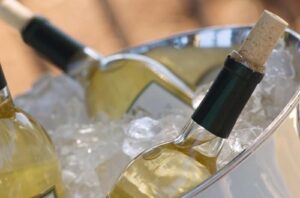
- Gently stir to dissolve and integrate the flavors. Let the melon with wine sit in the cold for about 10 minutes. Optionally, add some ice and serve very cold, directly from the edge or with a straw.
Technical Keys for a Perfect “Melvin”
- Structural Stability: The first technical step is to cut a small, thin slice off the outer base of the melon. This creates a flat surface so the melon stands upright without tipping over once filled with liquid.
- Maceration Time: Let the mixture sit for at least 10 minutes. This “resting” period is crucial for the sugar to dissolve and for the wine to extract the juices from the chopped pulp, intensifying the flavor.
- The Banana Secret: Adding a sliced banana is an optional but highly recommended technical variation. The banana provides a creamier mouthfeel and a different layer of sweetness that rounds out the acidity of the wine.
- Temperature Control: To prevent the ice from diluting the flavor too quickly, the wine must be pre-chilled to 5–10°C. Ice should only be added at the very end to keep it frosty.
Frequently Asked Questions (FAQ)
1. What type of melon is best for this recipe?
The traditional choice in Chile is the cantaloupe (called Melón Tuna locally). Its green, juicy, and soft pulp is easy to scoop and integrates perfectly with the wine.
2. Is it necessary to add sugar?
It depends on the ripeness of the fruit. If the melon is very ripe and you are using a sweet wine, you can reduce or omit the sugar. However, sugar helps “draw out” the juice from the melon pulp.
3. Can I prepare this in a pitcher instead of the melon?
Technically yes, but you lose the essence of the “Melvin.” The contact with the melon rind and the experience of drinking from the fruit itself are part of the cultural appeal.
4. How do I choose the perfect melon?
Look for a melon that feels heavy for its size and has a sweet aroma at the stem end. This ensures a high sugar content and more juice for your cocktail.
Benefits of Consuming Melon
- Melon is a fruit composed mostly of water, up to 80%, making it low in calories, primarily from sugar.
- It is one of the fruits with the highest sodium content, with 10 milligrams per 100 grams of product. It also has a high content of vitamin C and beta-carotenes, both of which have antioxidant properties.

Did You Know?
While the basic recipe originated in Spain, it has adapted to the customs of Chile and its seasonal availability. It has even been officially established as “Melon with Wine Day,” celebrated on January 15th each year.