
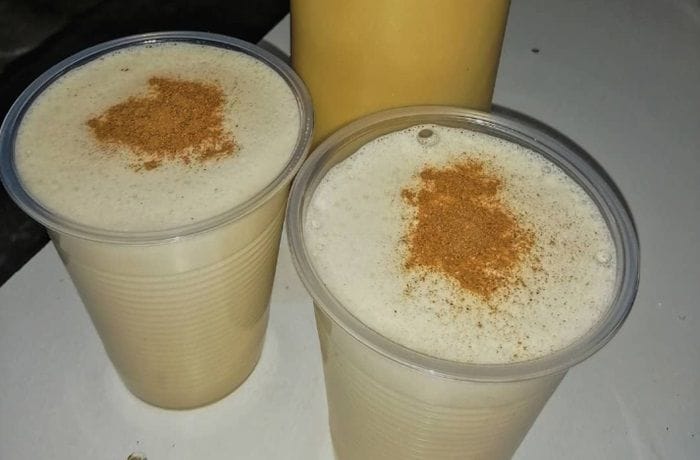
Picoroco ponche is a traditional seafood cocktail from Chile’s coast, born in Talcahuano and made with cooked picorocos (giant barnacles), white wine, egg, and cinnamon. It takes about 15 minutes to prepare and yields a single generous serving.
Especially popular in Chile’s Biobío region, this drink is prized for its distinctive briny flavor and is traditionally credited with restorative and even aphrodisiac properties after a hard day at sea.
How to Make Chilean Picoroco Ponche?
In its traditional version, picoroco ponche is made by blending the meat of a fresh picoroco with white wine, lemon juice, egg, and a touch of cinnamon.
Nutritional Information
Each serving of picoroco ponche contains approximately 150 kcal, 35 g of carbohydrates, 1 g of protein, 0 g of fat, 2 g of fiber, 30 g of sugars, 0 mg of cholesterol, and 20 mg of sodium. (*) Values may vary depending on the ingredients and portion sizes used.
Homemade Chilean Picoroco Ponche Recipe
Preparation: 15 minutes
Servings: 1 person
Ingredients
- 250 ml dry white wine
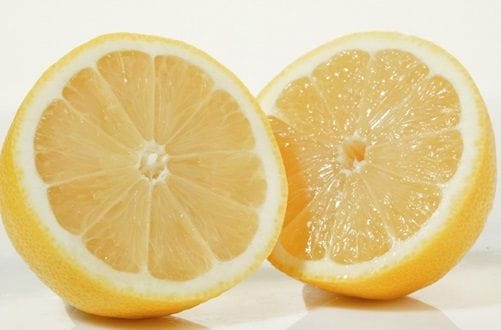
- 3 lemons
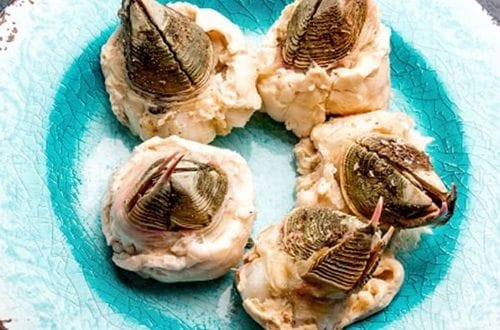
- 1 fresh picoroco (giant barnacle)
- 1 egg
- Ground cinnamon

Instructions
- Extract the meat from the picoroco by separating the tips, rinse under cold running water if needed, and set aside in a blender, optionally adding a couple of ice cubes.
- Add the white wine, lemon juice, and egg, and blend at medium speed until you get a smooth, foamy mixture. Serve immediately in a tall glass topped with cinnamon.
What Are Picorocos?
Picorocos are marine crustaceans belonging to the giant barnacle family, found all along the Chilean coast, recognizable by their hard, elongated, tube-like shell that attaches to rocks near the shore.
Additional Tips
Pre-Cook the Picorocos for Safety
For food safety, picorocos are usually cooked beforehand in boiling water with a tablespoon of salt for 15 minutes before making the ponche.
Choose a Young, Dry White Wine
A young, dry, fresh white wine balances the briny seafood flavor best. Avoid oaked or overly sweet wines, which can overpower the delicate taste of the picoroco.
Serve Immediately After Blending
Picoroco ponche loses its foam quickly and its briny flavor intensifies as it sits, so blend it right before serving rather than preparing it in advance.

| Original Ingredient | Substitute | Notes |
|---|---|---|
| Fresh picoroco | Fresh crab or lobster meat | Different flavor, but keeps the briny seafood character |
| Dry white wine | White grape juice or sparkling water with lemon | For an alcohol-free version |
| Raw egg | Pasteurized egg | Pasteurize at 60°C (140°F) for 3 minutes, then cool immediately in ice |
| Ground cinnamon | Ground nutmeg | Milder aromatic note, use sparingly |
Frequently Asked Questions (FAQs)
1. What type of wine works best for this ponche?
A young, dry, and fresh white wine is recommended (such as an unoaked Sauvignon Blanc or Chardonnay). It balances better with the briny seafood flavor.
2. Is it safe to drink with raw egg?
Traditionally, it’s made with raw egg, but for safety you can pasteurize it beforehand in water at 60°C (140°F) for 3 minutes, cooling it immediately in ice.
3. How do I make an alcohol-free version?
You can replace the wine with white grape juice or sparkling water with a few drops of lemon, keeping the picoroco meat and the cinnamon.
4. Can I prepare it ahead of time?
No, it’s best served immediately after blending, since the foam disappears quickly and the briny flavor becomes too intense as it sits.
History and Origin of Chilean Seafood Ponches
Seafood ponches trace back to Talcahuano, a port city in southern Chile, where artisanal fishermen blended shellfish like picorocos, sea urchins, or shrimp with liquor and whatever other ingredients were on hand to make warming brews after long days at sea. One of the emblematic bars credited with formalizing this drink is “La Aguada,” opened in 1972, where Juan Cruces popularized the recipe as part of the city’s coastal culinary identity.
Did You Know?
The picoroco (Austromegabalanus psittacus) gets its name from its distinctive appearance, with “pico” referring to the front part that resembles a bird’s beak, and “roco” describing its sturdy, rock-like shell.