Versión en Español Papas con chuchoca is a traditional Chilean potato and dried corn stew made by sautéing onion, garlic, and paprika in lard and butter, simmering quartered potatoes and squash until tender, then adding chuchoca (coarse dried corn) in a slow stream while mashing the vegetables slightly — ready in about 60 minutes and serving 5 people. One of the most beloved dishes in Chilean home cooking, papas con chuchoca is a budget-friendly, deeply…
Versión en Español Cazuela chilota is a traditional stew from the Chiloé archipelago made by sautéing rehydrated dried mussels (cholgas) with onion, garlic, and paprika, then simmering them with potato, squash, hand-torn cabbage, and rice in a savory broth — ready in about 70 minutes and serving 6 people. A landmark dish of southern Chilean gastronomy, cazuela chilota fuses indigenous Mapuche-Huilliche ingredients with Spanish colonial cooking techniques, built on the distinctive smoky depth of cholgas…
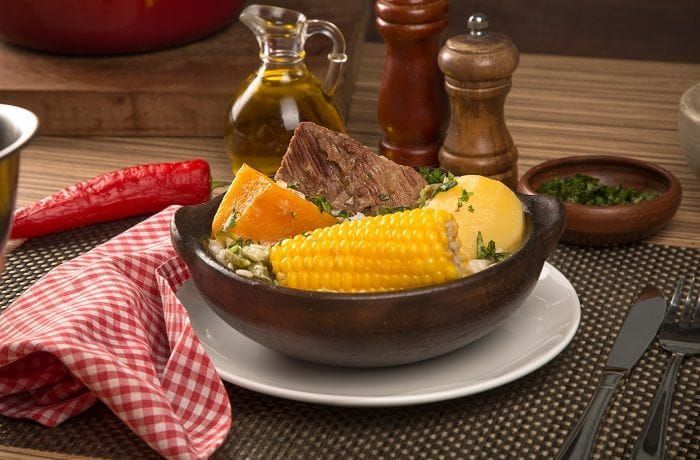
Versión en Español Chilean beef cazuela is a traditional one-pot stew made by simmering bone-in beef in cold water with aromatics, then adding potato, squash, corn, green beans, and rice in stages until each ingredient is perfectly cooked in a rich, clear broth — ready in about 75 minutes and serving 6 people. The absolute standard of Chilean home cooking, cazuela de vacuno is a heritage dish that embodies the warmth of family tables across…
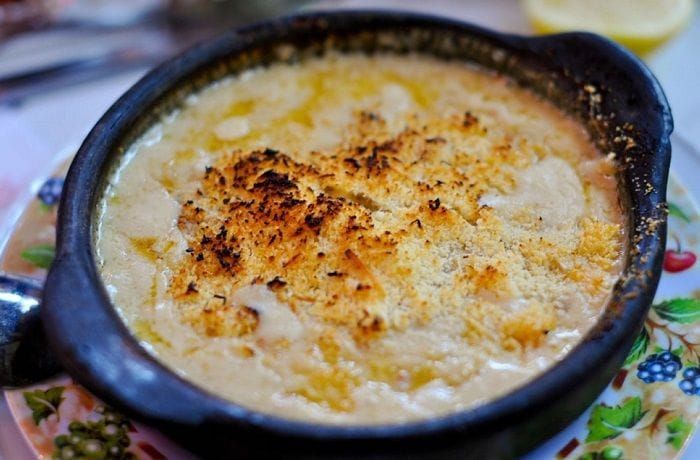
Versión en Español Chupe de jaiba is a Chilean crab casserole made by simmering crab meat with a sautéed base of onion, bell peppers, and white wine, combining it with a soaked-bread paste and two cheeses, then gratinating under the broiler until golden — ready in about 60 minutes and serving 6 people. A magnificent coastal dish from Chilean gastronomy, chupe de jaiba transforms humble crab meat into a rich, creamy casserole with deep maritime…
Versión en Español Chupe de locos is a Chilean baked abalone casserole made by tenderizing fresh abalones, simmering them in a rich bread-thickened base with milk and seafood stock, then gratinated under the broiler with parmesan until golden — ready in about 3 hours and serving 4 people. A spectacular dish from the Chilean coast, chupe de locos brings together the briny depth of fresh abalones with a creamy, soaked-bread base that absorbs all the…
Artificial Intelligence (AI) can be an extremely useful tool in many aspects of our daily lives, including gastronomy. It allows us, for example, to generate ideas based on the ingredients we have on hand or answer basic questions about culinary techniques and cooking temperatures. Traditional Recipes with History When it comes to traditional gastronomy—the kind with history, identity, and memory—relying on AI-generated recipes has proven to be a way to culturally undermine certain preparations and…
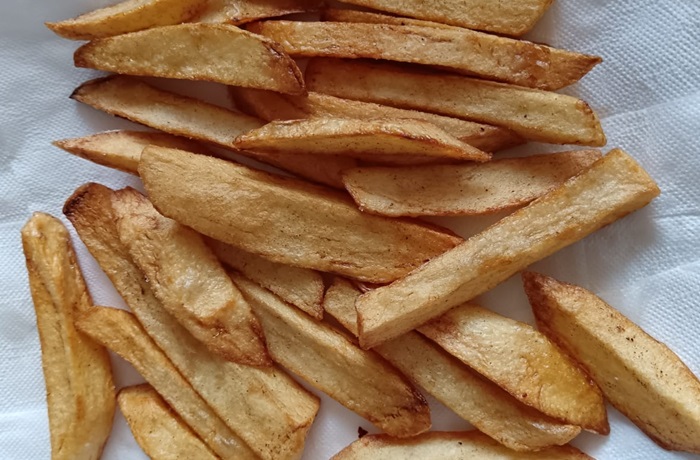
The secret to perfect Chilean fries lies in a two-stage fry: a first pass at 140°C in pork lard to cook the potato through, and a second at 180°C to form a golden, shatteringly crispy crust. Fried potatoes are probably the most international of all culinary preparations—a perfect combination of a product and a South American technique that, contrary to popular belief, did not originate in Belgium or France, where it was later refined, but…
For the most relaxed moments of summer, Casillero del Diablo Rosé stands out for its versatility and refreshing character. It is ideal for terrace aperitifs, soft cheese boards, cold wraps, light tapas, nuts, and casual bites that accompany outdoor gatherings.
A comprehensive new resource for beer enthusiasts, The Beer Tasting Practical Guide: How to Truly Appreciate Any Beer in the World, is now available for readers and listeners worldwide. Launching exclusively on Amazon, the book provides a structured approach to understanding beer, from its historical roots to the technical nuances of sensory evaluation. This revised and updated edition of the Practical Guide to Beer Tasting is designed to be an accessible yet detailed reference for…
The recognition is especially noteworthy given its origin. In Chile, Cabernet Sauvignon wines receiving exceptional scores typically come from established areas such as Isla de Maipo.