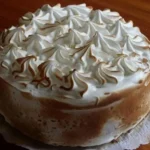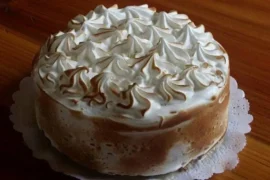
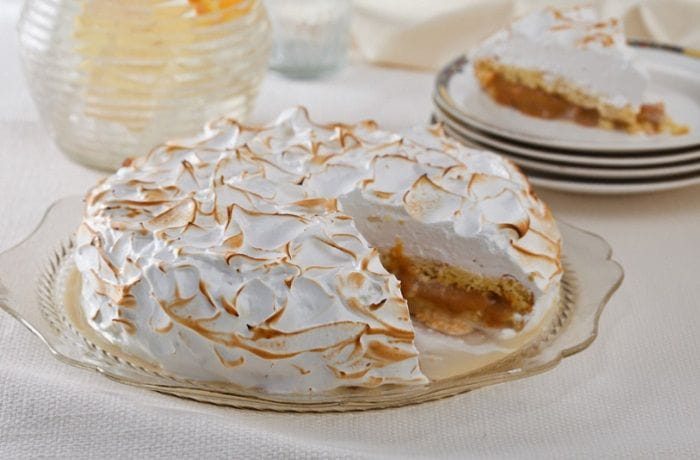
The Chilean torta 4 leches is a spectacular layered dessert that takes its name from the four milk-based ingredients used in its preparation, soaking liquid, and filling. Built on a light sponge cake soaked in a mixture of condensed milk, evaporated milk, and heavy cream, it is then filled with thick manjar (dulce de leche) — the fourth milk — and finished with a caramelized Swiss meringue topping.
While closely related to the famous torta tres leches, the four-milk version goes further by introducing manjar between the sponge layers, creating a richer flavor contrast between the sweet, sticky caramel and the creamy soaking liquid. The result is a decadent, moist cake that is a staple of Chilean celebrations and home baking traditions.
How to Make Chilean Four Milk Cake?
The preparation is divided into three stages: making the sponge cake, soaking it with the four-milk mixture, and topping it with Swiss meringue. The most important step is the refrigeration — the assembled cake needs at least 12 hours in the fridge to fully absorb the soaking liquid and set properly. Plan to start the day before serving. The Swiss meringue is made just before serving and caramelized with a kitchen torch for the signature golden finish.
Nutritional Information
Each serving of torta 4 leches contains approximately 450 kcal, 50 g of carbohydrates, 20 g of fat, 7 g of protein, 1 g of fiber, 35 g of sugar, 50 mg of cholesterol, and 150 mg of sodium. (*) Estimated values may vary depending on the specific ingredients and portion sizes used.
Homemade Chilean Four Milk Cake Recipe
Preparation: 60 minutes | Cooking: 40 minutes | Servings: 12
Ingredients
1. Sponge Cake
- 150 g (¾ cup) sugar
- 120 ml (½ cup) whole milk
- 100 g (¾ cup) all-purpose flour
- 5 eggs
- 1 teaspoon vanilla extract
- 1 teaspoon baking powder
- Zest of 1 lemon (optional)
2. Soaking Liquid and Filling
- 250 g (8.8 oz) manjar (dulce de leche / caramel spread)
- 200 ml (¾ cup) heavy cream
- 1 can (370 ml) evaporated milk
- 1 can (395 g) sweetened condensed milk
3. Swiss Meringue
- 2 egg whites
- 120 g (½ cup) sugar

Instructions
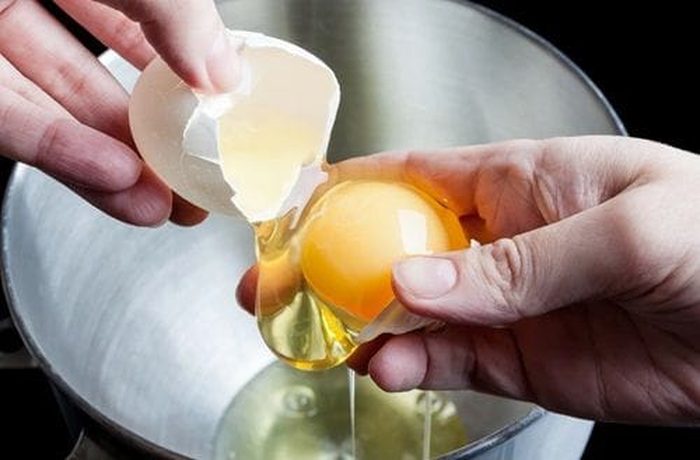
- Separate the egg whites from the yolks. Beat the whites with half the sugar until stiff peaks form, then set aside. In a separate bowl, beat the yolks with the remaining sugar until pale and fluffy. Add the vanilla extract and optionally one teaspoon of lemon zest. Sift the flour together with the baking powder and fold it into the yolk mixture using gentle folding motions to keep the batter light.
- Add the milk to the batter and finally fold in the beaten egg whites, always using gentle folding movements to keep the mixture airy. Butter a suitable round cake pan and line with parchment paper. Pour in all the batter and bake in a preheated oven at 180°C (356°F) for 30 to 40 minutes until lightly golden. Test doneness by inserting a toothpick — it should come out clean.
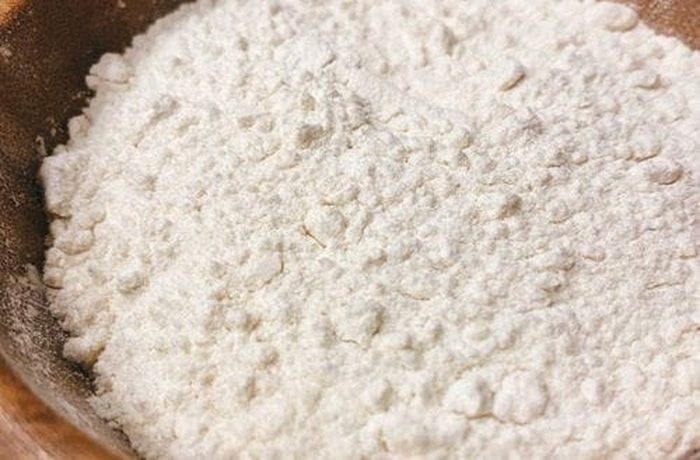
- Remove from the oven and cool to room temperature. Slice the sponge cake horizontally in half to create two even layers. In a large bowl, combine the condensed milk, evaporated milk, and heavy cream — stir to combine into the soaking liquid. Line the cake pan with plastic wrap, place the bottom sponge layer inside, and pour half the soaking liquid over it. Wait for it to absorb completely. Spread a generous layer of manjar over the soaked sponge, then place the second sponge layer on top and pour the remaining soaking liquid. Seal tightly with plastic wrap and refrigerate for at least 12 hours.
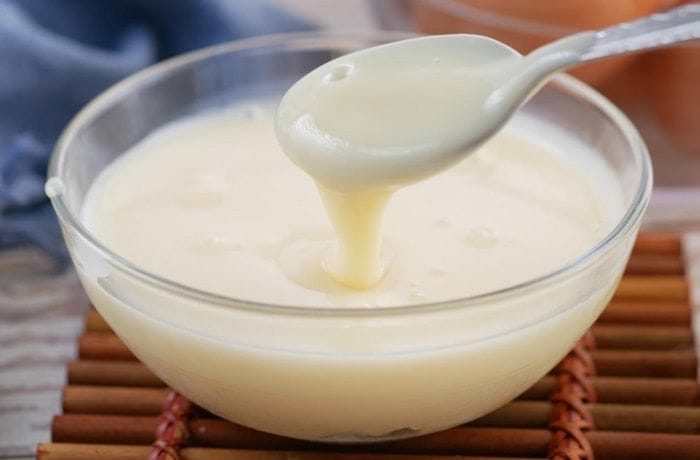
- To make the Swiss meringue: fill the bottom third of a large pot with water and bring to a boil. Place a heatproof bowl over the pot without letting it touch the water. Add the egg whites and sugar and stir with a fork until all sugar crystals dissolve completely. Then beat at high speed until the meringue is stiff, glossy, and holds peaks. Remove the cake from the fridge, unmold carefully onto a serving plate, cover completely with the fresh meringue, decorate as desired, and caramelize the surface with a kitchen torch until golden.
Additional Tips
Refrigeration Is Non-Negotiable
The 12-hour refrigeration step is what makes or breaks the torta 4 leches. The sponge needs that time to fully absorb the soaking liquid and achieve the dense, moist texture that defines the cake. Cutting the rest time short results in a dry interior and a soaking liquid that pools at the bottom of the serving plate. Overnight refrigeration, ideally 16 to 18 hours, gives the best results.
Perfect Swiss Meringue Technique
For a shinier meringue with better stability, two details matter. First, make sure all sugar crystals are completely dissolved in the bain-marie before you begin beating — you can test this by rubbing a small amount between your fingers. Second, use egg whites at room temperature rather than straight from the fridge, as cold whites take longer to mount and produce a less stable foam.
Dairy-Free Option
It is possible to make a dairy-free version of torta 4 leches by substituting regular dairy with plant-based alternatives: oat milk or almond milk for the sponge, coconut cream for the heavy cream, and plant-based condensed milk and evaporated milk. The flavor, texture, and sweetness will change considerably, but the structure of the cake remains the same.
| Ingredient | Substitution |
|---|---|
| Manjar (dulce de leche) | Store-bought caramel spread or thick caramel sauce |
| Evaporated milk | Whole milk reduced by half over low heat |
| Condensed milk | Homemade (milk + sugar cooked until thick and syrupy) |
| Heavy cream | Full-fat coconut cream for a dairy-free version |
Frequently Asked Questions (FAQs)
What is the difference between three-milk cake and four-milk cake?
Both cakes share a similar sponge cake base and the same three-milk soaking liquid (condensed milk, evaporated milk, and heavy cream). The key difference is that the four-milk cake adds manjar (dulce de leche) as a filling between the two sponge layers — making it the fourth milk-based ingredient and giving the cake a richer, more complex flavor.
Can I make torta 4 leches without an oven?
Yes. You can use a steamed sponge cake or replace the homemade sponge with store-bought ladyfinger biscuits (galletas de champaña). The texture will be different — ladyfingers absorb the soaking liquid more quickly and create a denser base — but the result is still delicious and requires no oven.
What type of manjar is best for the torta 4 leches filling?
A thick Chilean manjar (dulce de leche) is recommended so it holds its shape between the sponge layers and does not slide when the cake is assembled. A runny caramel spread will mix into the soaking liquid and lose the distinct filling layer that defines the four-milk cake.
How long does torta 4 leches keep refrigerated?
Well covered and refrigerated, the torta 4 leches keeps for up to 3 days. After that, the Swiss meringue topping begins to lose stability and weep. It is best consumed within 24 to 48 hours of assembly for optimal texture and presentation.
What Is Chilean Four Milk Cake?
The Chilean torta 4 leches is a layered dessert built on a light sponge cake soaked in a mixture of three milk-based liquids — sweetened condensed milk, evaporated milk, and heavy cream — with a generous layer of manjar (dulce de leche) as the fourth milk used as a filling between the two sponge layers. The assembled cake is refrigerated for at least 12 hours to allow full absorption, then topped with freshly made Swiss meringue that is caramelized with a kitchen torch just before serving.
It belongs to the same family as the Latin American torta tres leches, but the addition of manjar elevates it into a distinctly Chilean dessert. Manjar — known in most of the Spanish-speaking world as dulce de leche — is made by slowly cooking sweetened milk until it caramelizes into a thick, spreadable paste. It is one of the most beloved ingredients in Chilean pastry and appears in dozens of traditional desserts, from alfajores to brazo de reina.
History of Four Milk Cake in Chile
The origin of the tres leches cake is widely attributed to Latin America in the late 19th or early 20th century, most likely developed as part of a marketing campaign by a canned milk producer to increase consumption of their products. The recipe appeared on the labels of condensed milk and evaporated milk cans distributed across Mexico and Central America, from where it spread throughout the continent.
In Chile, the tres leches was adapted over time by incorporating manjar into the filling — a natural evolution given the central role of manjar in Chilean dessert culture. The resulting torta 4 leches became a staple of celebrations, family gatherings, and bakeries across the country. The addition of Swiss meringue as a topping, caramelized with a torch, is a more recent refinement that adds a dramatic visual finish and a textural contrast between the toasted exterior and the soft, creamy interior.
Did You Know?
Chilean manjar is closely related to the dulce de leche found across Latin America, but Chilean versions tend to be thicker and less sweet than Argentine or Uruguayan dulce de leche. The difference comes from the ratio of milk to sugar and the cooking technique. Chilean manjar is traditionally made with whole milk and sugar cooked slowly over low heat, stirring continuously, until it reaches a spreadable consistency — a process that can take over two hours.
Swiss meringue differs from French and Italian meringue in that it heats the egg whites and sugar together in a bain-marie before beating. This process pasteurizes the eggs and dissolves the sugar crystals, producing a meringue that is silkier, more stable, and better suited for decorating cakes. It holds its shape for longer and develops a beautiful glossy surface when caramelized with a kitchen torch.