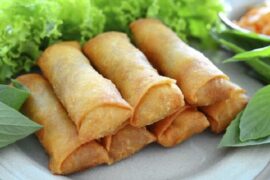
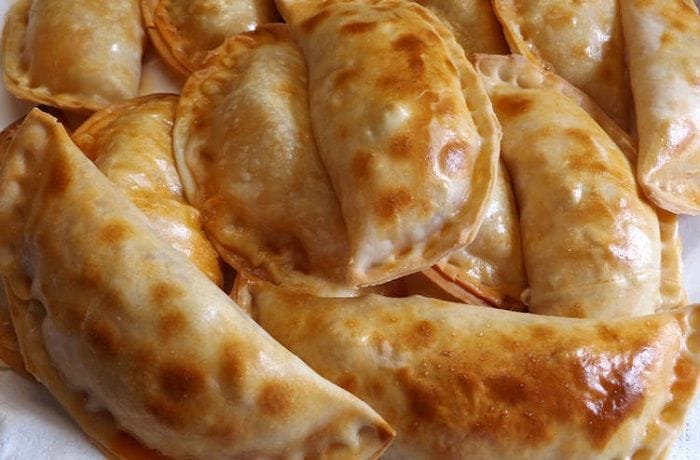
Pequenes are a classic Chilean recipe from yesteryear, often enjoyed during national holidays when the meat runs out (or the budget is tight) but the desire to celebrate remains.
Nutrition Facts
Each serving of homemade pequenes contains approximately 300 kcal, 40 g of carbohydrates, 15 g of total fats, 5 g of proteins, 3 g of fiber, 2 g of sugars, 10 mg of cholesterol, and 500 mg of sodium.
How to Make Pequenes or Onion Empanadas
Pequenes are small but appetizing empanadas filled with a mixture of onions and paprika (Chilean ají color), perfect for opening the appetite or accompanying a good toast.
Prep Time: 60 minutes
Cook Time: 90 minutes
Servings: 6
Ingredients
1. Sofrito Base
- 120 ml of vegetable oil
- 2 garlic cloves
- 2 tablespoons of paprika
2. Onion Filling
- 6 onions, sliced
- 1 teaspoon of dried oregano
- 1 teaspoon of cumin
- Salt
- Pepper
3. Empanada Dough
- 500 g of flour
- 240 ml of warm milk
- 60 ml of white wine
- 3 tablespoons of lard
- 3 tablespoons of butter
- 2 egg yolks
- 2 tablespoons of liquid milk
- 1 egg
- 1 teaspoon of salt
- ½ teaspoon of baking powder
Instructions
- In a medium-sized skillet, heat the oil over medium heat and add the garlic until lightly browned. Remove the skillet from the heat, discard the garlic, and reserve the oil. Add the paprika to the oil, stirring constantly until it dissolves. Cool, strain, and reserve.
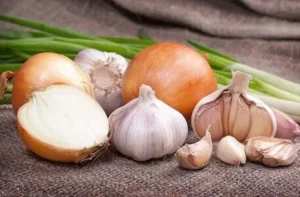
- In a large skillet, heat the prepared oil, garlic, and paprika over medium heat. Add the onions and cook over medium-low heat, stirring occasionally until they are lightly browned, for 45 to 60 minutes. Season the onions with salt, pepper, oregano, and cumin to taste. Integrate everything very well. Cool and reserved.
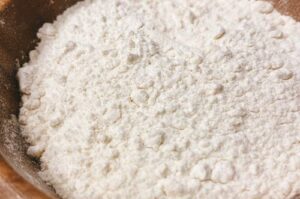
- Melt the lard and butter in a small pot over low heat. In a large bowl, sift and mix the flour, salt, and baking powder. Add the melted lard and butter, milk, wine, a whole egg, and an egg yolk to the bowl. Mix everything very well. Take the mixture to a floured surface and knead for about 5 minutes or until a soft and homogeneous dough is formed.
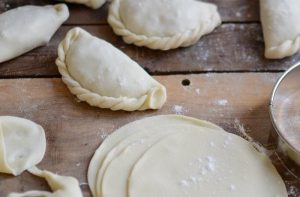
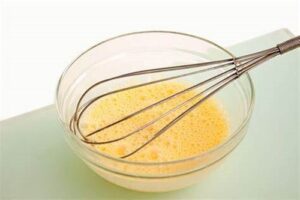
- Roll out the dough very thin and cut discs of 10 cm with a mold or a small plate. Assembly and Baking of Pequenes Turn on and preheat the oven to 200°C (392°F) for at least 10 minutes. In a small and deep plate, mix 1 egg yolk and two tablespoons of milk. Reserve.
- Place a little of the onion filling on each dough circle and fold in half, forming a semicircle. Seal the edges well by folding the edge of the dough or using a fork. Brush each empanada (pequén) with the egg and milk mixture. Place in the preheated oven and bake for 15 to 20 minutes or until the dough is lightly browned. Serve the freshly made pequenes or onion empanadas immediately.
Expert Secrets for a Master-Level Pequén
- The Deep “Ají Color” Infusion: The initial sofrito of garlic and ají color (Chilean paprika) is not a minor detail—it is the flavor foundation. By browning the garlic and then discarding it, you leave behind a perfumed oil that “waterproofs” the onions, preventing the filling (pino) from releasing excess moisture and making the dough soggy.
- Low and Slow Caramelization: Cooking the onions for 45 to 60 minutes over low heat is non-negotiable. This time allows the natural sugars in the onion to break down without burning, eliminating the sharp bite and replacing it with a deep, savory sweetness that is the hallmark of an authentic pequén.
- The Alcohol Factor: Adding white wine to the dough is a technical necessity. The alcohol helps inhibit excessive gluten development, resulting in a much crispier, more delicate crust after baking at 200°C.
- The Total Cooling Rule: Once the onion pino is done, it must be completely cold before assembly. If you fill the dough with warm onions, the heat will melt the fat (lard/butter) in the dough before it hits the oven, causing the empanada to lose its structural integrity and leak.
Frequently Asked Questions (FAQ)
1. Is there a relationship between the name “Pequén” and the bird of the same name?
Yes. It is said that these empanadas are named after the Pequén (Athene cunicularia), a small Chilean burrowing owl with large eyes and a rounded shape. The golden-brown color and the rounded fold of the finished empanada reminded early Chileans of this iconic country bird.
2. Why discard the garlic after browning it in the oil?
The goal is infusion, not inclusion. The garlic is used to “flavor the fat.” If you leave the minced garlic in the filling, its intensity might overpower the subtle sweetness of the caramelized onions during the long 60-minute cook.
3. Why use baking powder if the dough is rolled thin?
The baking powder creates micro-bubbles of air within the layers of the dough. Even though the dough is thin, this small amount of leavening provides a “puff” that makes the crust feel light and airy rather than dense and heavy.
4. Can I use red onions for the pino?
While possible, it is not traditional. Red onions have a different sugar profile and will turn the filling a dark, unappealing color. For the authentic golden-red look of a pequén, white onions are the only way to go.
5. How do I prevent the empanadas from “sweating” in the oven?
The “sweating” or leaking usually happens if there is too much steam trapped inside. Make one or two tiny punctures with a toothpick on the top of the empanada before baking. This acts as a chimney, letting steam escape while keeping the juices inside.
Benefits of Consuming Onions
- Onions are a source of fiber and folic acid, which can help control weight and reduce obesity.
- Onions contain compounds that can improve blood circulation and reduce the likelihood of developing cardiovascular diseases.
Did You Know?
Despite what many might believe, the consumption of onions and aji paprika is highly recommended as part of the daily diet. Both have antioxidant and anti-inflammatory effects that help reduce blood pressure, the risk of diabetes mellitus, and overall improve liver function.