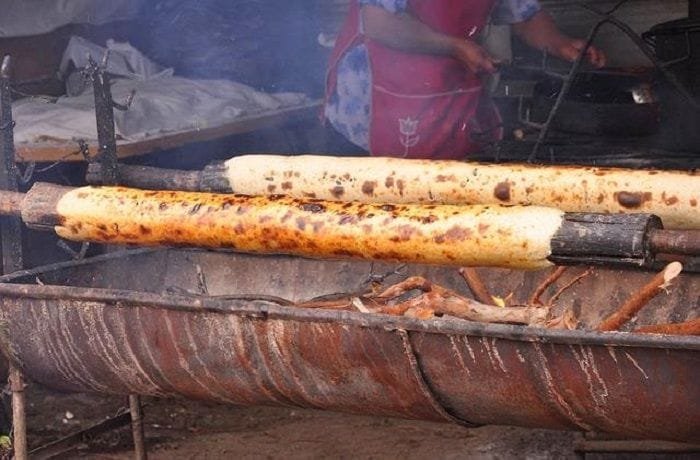
Chochoca negra from Chiloé, also called chochoyeco, trotroyeco, or trutru, is a bread made from grated and drained Chilote potatoes that’s shaped around a wooden skewer and cooked directly over an open fire. It’s a Huilliche dish made for festivities and traditional celebrations across the Chiloé archipelago.
Nutritional Information
Each serving of chochoca negra contains approximately 450 kcal, 30 g of carbohydrates, 32 g of fat, 8 g of protein, 4 g of fiber, 1 g of sugars, 85 mg of cholesterol, and 420 mg of sodium. (*)
(*) Values may vary depending on ingredients and portion sizes.
How to Make Chochoca Negra?
Chochoca negra is a mix of grated, squeezed raw potatoes combined with cooked mashed potatoes, roasted over open coals stuck to a large rolling-pin-shaped skewer known as the “palo chochoquero.”
Prep time: 30 minutes
Cook time: 30 minutes
Servings: 6 people
Ingredients
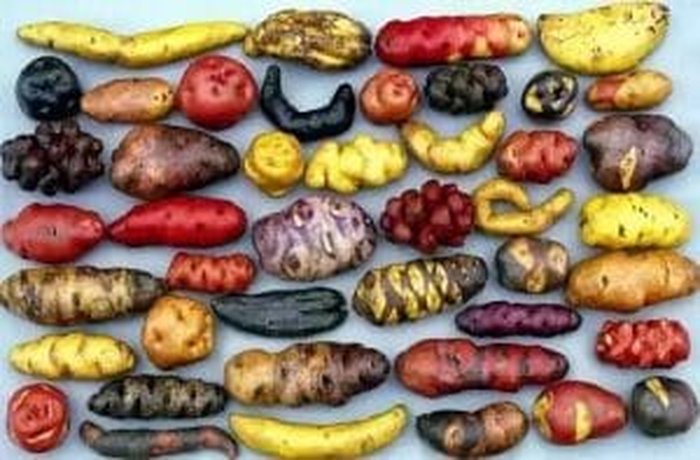
- 600 g Chilote potatoes
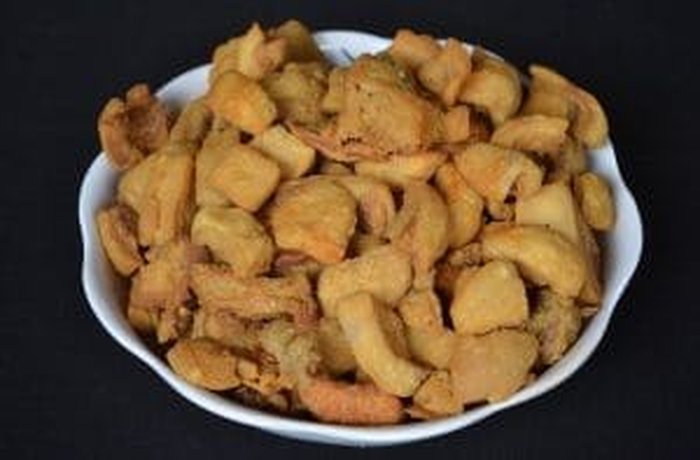
- 400 g pork cracklings
- 300 g mashed potatoes
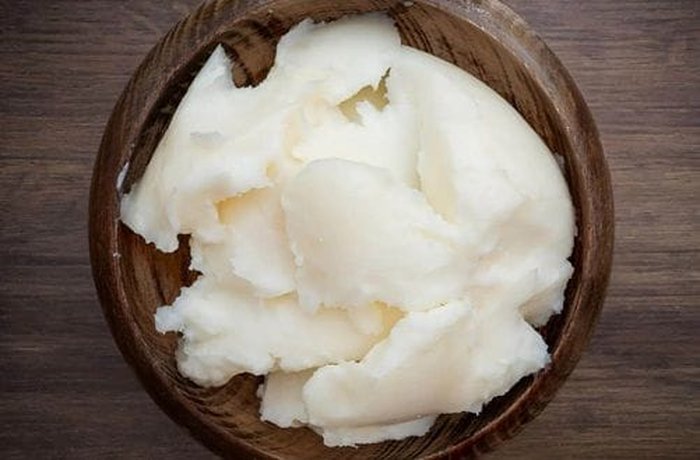
- 80 g pork lard
- 1½ teaspoons salt
Instructions
- Wash, peel, and grate the Chilote potatoes, squeeze them in a fine cloth to remove all the liquid, and transfer to a large bowl. Set the liquid aside. Add the mashed potatoes to the grated potatoes, mix, adding a bit of the reserved liquid if needed, and knead until the mixture is soft.
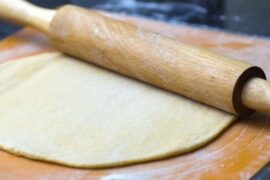
- Add 2 tablespoons of lard to the mixture, season with salt, and knead again until homogeneous. Roll out the dough with a rolling pin, cut flat rectangles about 50 x 50 x 1 centimeters, press onto the palo chochoquero, and wrap it completely with the dough, sealing everything with lard.
- Set the palo chochoquero over two upright iron rods on either side of a lit charcoal fire and turn constantly for even, lightly golden cooking; brush a bit more lard over the surface once cooked.
- Remove the palo chochoquero from the fire and pry off the golden chochoca with a knife, cutting along its length, spread it on a flat surface and cut into strips, fill with pork cracklings and roll up. Divide the chochoca negra into individual portions and serve hot, right away.
Chilote Preparation Tips
If you don’t have Chilote potatoes, use any firm, yellow-fleshed potato, such as Yagana or Desirée. What matters most is draining the potato well after grating, wrap it in a clean cloth and squeeze hard to remove excess water, since too much moisture keeps the dough from sticking to the skewer. If the dough feels too wet or falls off the skewer, add flour a spoonful at a time until it becomes pliable and stops slipping off.
| Variant | Extra ingredient | Flavor | Occasion |
|---|---|---|---|
| Classic black | Only lard and salt | Neutral and smoky | Most authentic; festivities |
| With cheese | Grated goat or semi-hard cheese | Creamy and salty | Modern, family version |
| With caramelized onion | Onion browned in lard | Sweet and deep | Winter; group meals |
| With chancho en piedra | Tomato, green chili, cilantro | Fresh and spicy | Summer; traditional festivals |
Frequently Asked Questions (FAQs)
1. What’s the purpose of squeezing the raw potatoes?
Squeezing the raw potatoes removes excess water, leaving behind a more concentrated pulp and, more importantly, the natural starch that acts as the “glue” holding the chochoca dough together, letting it stick to the skewer without falling apart.
2. What potato can I use if I don’t have Chilote potatoes?
Use a potato with high starch content and firm texture, like a Russet or the Chilean Desirée variety. Adjust the amount of mashed potato and lard until you get a dough you can roll out without it tearing.
3. Can chochoca be cooked without a palo chochoquero?
A homemade alternative is baking the rolled-out dough on a greased tray at 200°C (392°F) until golden, or cooking it on a griddle or large skillet with lard, turning constantly.
4. What other fillings can be used?
Other popular options in Chiloé include fried or grilled longaniza sausage, smoked pork (similar to what’s used in curanto), or farmhouse cheese for a vegetarian version.
History and Origin of Potatoes
Potatoes biologically originated 9 million years ago through natural hybridization between tomato ancestors, which contributed the SP6A genetic “switch” for forming tubers, and wild Chilean species from the Etuberosum group.
Did You Know?
Chochoca consumption has spread widely, reaching as far as Patagonia and Llanquihue province, mainly due to the migration of Chilote people to those areas.
How to adapt this recipe to a vegan or vegetarian version?
How to adapt this recipe to a gluten-free version?
How to adapt this recipe to a keto (ketogenic) version?
Recommended
- Chilean Papas con Luche
- Chilean Papas Chilotas al Romero
- Chilean San Carlos Artisanal Longaniza
- Chilean Pan Copihue Completo Bread