
“Leche Nevada” (Frothy Milk) is a delicious Chilean frozen dessert enjoyed throughout the year across the country, a family classic passed down from generation to generation.
Nutrition Facts
Each serving of Leche Nevada contains approximately 250 kcal, 7 g of protein, 10 g of fat (4 g of saturated fat), 30 g of carbohydrates, 30 g of sugar, 120 mg of cholesterol, and 90 mg of sodium.
How to Make Frothy Milk
The ingredients for “Leche Nevada” can vary, with the use of condensed milk, chocolate, peach juice, caramel, toasted almonds, or even grapes.
Prep Time: 20 minutes
Cook Time: 30 minutes
Servings: 4
Ingredients
1. Meringue
- 50 g of sugar
- 5 egg whites
- 2 drops of lemon juice
2. Creamy Milk
- 1 liter of whole milk
- 150 g of sugar
- 20 g of cornstarch (1 tablespoon)
- 5 egg yolks
- 5 ml of vanilla essence (1 teaspoon)
Instructions
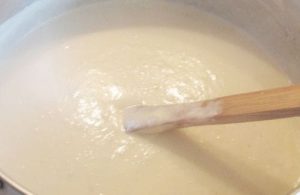
- Initially, separate the egg whites from the yolks, beat the egg whites to stiff peaks with the lemon drops, and gradually add 50 grams of sugar until you get a firm meringue. In a large pot, add the milk, 150 grams of sugar, and the teaspoon of vanilla essence. Cook over low heat until it boils.
- Gently add the meringue flakes over the mixture, and cook on both sides until firm and cooked, about 2 to 3 minutes. Set aside. In a medium bowl, add the egg yolks, cornstarch, and a splash of water, and beat until you get a homogeneous mixture. Stir the milk again and remove it from the heat, add the yolks with the dissolved cornstarch, and stir constantly to prevent curdling.
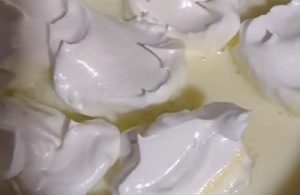
- Bring the milk back to very low heat, cooking and stirring until a slightly thick sauce is formed, and add the vanilla essence. Cool and refrigerate. Serve the “Leche Nevada” in individual cups and crown it by distributing the meringue flakes on the surface. Sprinkle with powdered cinnamon when serving.
The Secret to Heavenly Clouds
- The Meringue Stability: To get those firm, snowy peaks, start beating your whites with a few drops of lemon juice. The acid helps the proteins in the egg whites bond more tightly, creating a structure that won’t collapse when it hits the warm milk.
- The Poaching Ritual: Poaching the meringue flakes in the milk is what sets this dessert apart from a standard custard. The milk should be at a bare simmer—just enough to cook the meringue proteins without making them rubbery.
- Preventing the “Curdle”: When adding the yolks to the hot milk, use a technique called tempering. Mix a splash of the warm milk into your yolk/cornstarch mixture first to bring up their temperature gradually before pouring them back into the main pot. This keeps your sauce silky smooth.
- The Texture Balance: Cornstarch is your safety net here. It provides a bit of extra body to the custard, making sure it’s thick enough to hold up the meringue clouds without feeling heavy.
Frequently Asked Questions (FAQ)
1. Why did my meringue flakes shrink after poaching?
This usually happens if the milk was boiling too vigorously. High heat forces the air out of the meringue. Keep the milk at a very low simmer and handle the “clouds” gently when flipping them.
2. Can I make this dessert dairy-free?
You can use almond or oat milk, but keep in mind the flavor will shift significantly. Because non-dairy milks have less fat, you might need an extra teaspoon of cornstarch to achieve that classic “creamy milk” thickness.
3. What is the best way to serve Leche Nevada?
While some enjoy it lukewarm, it is traditionally served chilled. Refrigerating it for at least 2 hours allows the vanilla flavors to deepen and the custard to set into a velvety sauce.
4. How long does it stay fresh?
Leche Nevada is best eaten within 24–48 hours. Any longer, and the meringue flakes may begin to release moisture (a process called “weeping”), which can make the custard a bit watery.
5. Why add cinnamon at the very end?
Powdered cinnamon provides a sharp, woody contrast to the sweet vanilla. If you add it during cooking, it can muddy the bright white color of the meringue. Sprinkling it right before serving keeps the “snow” looking fresh and bright.
History and Origins of “Leche Nevada”
“Leche Nevada” is considered a typical Chilean dessert, originating during the Spanish Colonial era and inspired by a French dessert called “île flottante” (floating island).
Did You Know?
The name “Leche Nevada” (Frothy Milk) originally derives from the snowflake appearance given by the meringue that crowns the final presentation of the dessert.