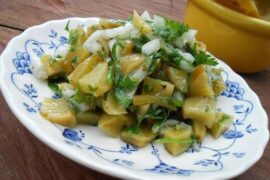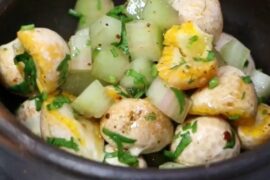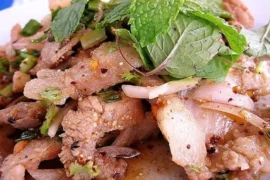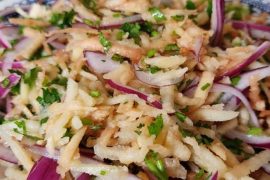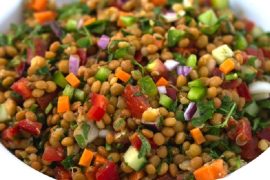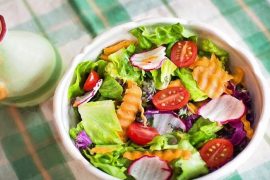

Kinwa salad is the traditional Mapuche preparation of quinoa — cooked with fresh greens including arugula, spinach, and watercress, then dressed with apple cider vinegar, oil, and merkén. Ready in 50 minutes, this dish has been a staple of Mapuche cuisine in southern Chile for thousands of years. Kinwa is the Mapudungun name for quinoa, honoring the Indigenous peoples of the Araucanía region.
Nutrition Facts
Each serving of kinwa salad contains approximately 250 kcal, 45 g of carbohydrates, 8 g of fats, 10 g of proteins, 5 g of fiber, 2 g of sugars, 0 mg of cholesterol, and 10 mg of sodium.
How to Make Quinoa Salad
This salad perfectly combines cooked quinoa with a selection of herbs and greens, all dressed with apple cider vinegar and oil, creating a vibrant dish full of textures.
Preparation: 20 minutes
Cooking: 30 minutes
Servings: 2 people
Ingredients
- 2 cups of quinoa
- 4 beet leaves
- 4 arugula leaves
- 4 spinach leaves
- 4 lamb’s quarters leaves
- 4 watercress leaves
- Apple cider vinegar
- Vegetable oil
- Sea salt
- Merkém
Instructions
- Rinse the quinoa under cold water until the water runs clear, then place it in a medium saucepan, cover with water, bring to a boil, reduce heat, and cook covered for 15-20 minutes or until tender. Discard the water and cool to room temperature.
- Carefully wash the beet, arugula, spinach, watercress, and lamb’s quarters leaves; chop them into pieces; and place them in a large salad bowl.
- Add the cooled quinoa, a good splash of apple cider vinegar to taste, a drizzle of oil, optional lemon juice, and salt to taste. Mix everything and let it rest for a couple of minutes before serving as a starter or a light main dish.
Expert Cooking Tips
The Crystal Finish
To ensure your quinoa is fluffy and not mushy, toast the dry, rinsed grains in the saucepan with a tiny drop of oil for 2 minutes before adding the water. This develops a nutty aroma and helps each grain remain separate and crystal-like in the salad.
Embrace the Wild Greens
The original Mapuche spirit of this dish relies on using what is available in the environment. If you cannot find watercress or lamb’s quarters, substitute with radish greens or kale — but always include a peppery green like arugula to balance the earthy flavor of the quinoa.
Kinwa vs. Other Grains – Nutritional Comparison (per 100g cooked)
| Grain | Protein | Fiber | Gluten-free | Origin |
|---|---|---|---|---|
| Kinwa (Quinoa) | 4.4 g | 2.8 g | Yes | South America |
| Brown rice | 2.6 g | 1.8 g | Yes | Asia |
| Oats (rolled) | 2.4 g | 1.7 g | Contaminated | Europe |
| Amaranth | 3.8 g | 2.1 g | Yes | Mesoamerica |
| Wheat (bulgur) | 3.1 g | 4.5 g | No | Middle East |
Frequently Asked Questions (FAQ)
1. What does “Kinwa” mean?
“Kinwa” is the original name for quinoa in Mapudungun, the language of the Mapuche people. While “quinoa” is the more globally recognized Quechua term, “kinwa” honors the specific heritage of the Indigenous peoples of Southern Chile.
2. Do I really need to rinse the quinoa?
Yes! Quinoa has a natural coating called saponin, which can taste bitter and be hard on the stomach. Even if the package says “pre-rinsed,” a quick rinse under cold water until the bubbles disappear ensures a clean, sweet flavor.
3. Can I eat this salad warm?
While it is traditionally served at room temperature to keep the greens crisp, you can serve it slightly warm (wilted salad style). Simply toss the greens with the quinoa immediately after cooking so they soften slightly from the heat.
4. What is “lamb’s quarters”?
Known as cenizo or quinhuilla in Chile, lamb’s quarters is a wild edible green often found in organic gardens. It tastes very similar to spinach but is even more nutrient-dense.
5. How long does this salad last in the fridge?
Because of the fresh greens, it is best enjoyed within 24 hours. If you want to meal-prep, store the cooked quinoa and the chopped greens in separate containers and dress them right before serving.
Benefits and properties of Quinoa
Quinoa salad is rich in fiber, vegetable proteins, and antioxidants, offering a perfect balance for a healthy diet, a food recognized for its high nutritional value.
Did You Know?
Quinoa, or “kinwa” in Mapudungun, has been a staple in the diet of South American peoples for thousands of years, and their ancestral traditions continue to influence our current diets.