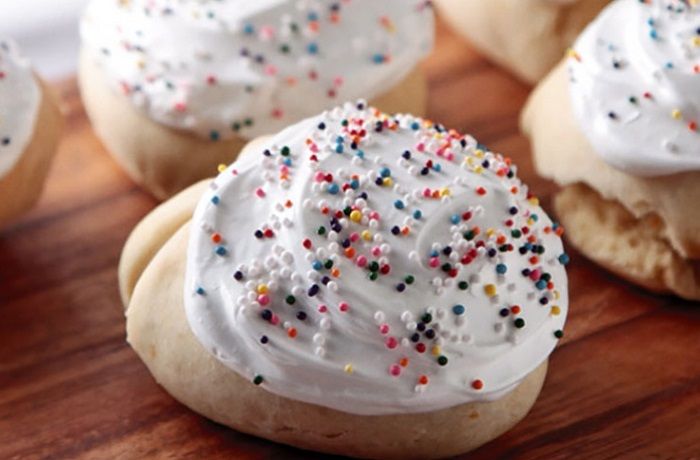
Chilean sweet pajaritos are soft, bird-shaped pastries made from enriched yeast dough, topped with Swiss meringue and colorful sprinkles — a traditional treat from the Biobío region and an icon of Fiestas Patrias celebrations in September. This recipe yields 12 pajaritos and takes about 100 minutes.
Nutritional Information
Each serving of homemade Chilean sweet pajaritos contains approximately 400 kcal, 64 g of carbohydrates, 28 g of total sugars, 12 g of total fats (7 g of saturated fats), 9 g of proteins, 95 mg of cholesterol, and 140 mg of sodium. (*)
How to make Sweet “Pajaritos”?
These are sweet and fluffy pastries traditionally shaped like “little birds”, covered in meringue and optionally decorated with colorful sprinkles, creating a delicious way to accompany teatime.
Preparation: 70 minutes
Cooking: 30 minutes
Servings: 12 people
Traditional Sweet “Pajaritos” recipe
Ingredients
1. Dough for Sweet “Pajaritos”
- 1 kg of flour
- 300 ml of warm milk
- 200 g of sugar
- 125 g of butter
- 40 g of fresh yeast
- 4 egg yolks
- Lemon zest
- Cloves
2. Meringue
- 4 egg whites
- 1 cup of sugar
- A pinch of salt
Preparation
- In a small bowl, dissolve the yeast in a little milk and sugar and let it rest for 10 minutes. Set aside. In a large bowl, sift the flour and make a well in the center. Add the sugar, lemon zest, cloves, melted butter, and eggs, stirring everything with a wooden spoon to integrate.Add the dissolved yeast and the rest of the milk gradually, incorporating as needed until obtaining a homogeneous mixture. Cover with a clean kitchen towel and let it rest for 30 minutes.
- Form balls of two sizes with the dough, about 6 and 3 centimeters respectively, the larger ones for the “body” of the sweet “pajaritos” and the smaller ones for the “head”. Make two lateral cuts with scissors on the larger dough balls to shape the wings. Shape the smaller dough balls into a drop shape.
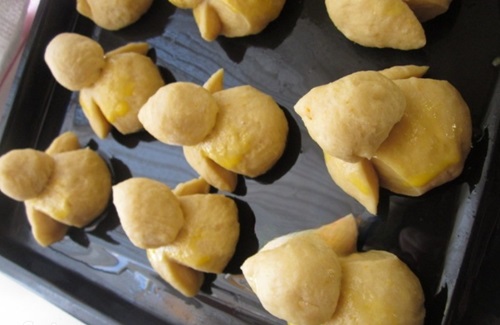
- Join both parts with a toothpick and paint the “pajaritos” with a little diluted egg yolk. Let rise for about 30 minutes.. Preheat the oven to 200°C (392°F) for at least 10 minutes. Bake the “pajaritos” for about 25 minutes or until golden brown. Remove and cool on a wire rack, carefully removing the toothpicks.
- Dissolve the sugar in the egg whites in a bain-marie and add a pinch of salt. Mix with a mixer for about 10 minutes until obtaining a meringue of good consistency. Crown the sweet “pajaritos” with the meringue, optionally decorate with colorful sprinkles, and serve immediately.
Tips for Soft and Fluffy Pajaritos
Respect the Rising Times
Since it is a fermented dough, respect both the 30-minute initial rest and the 30-minute final rise before baking. Rushing either stage produces dense pastries without the characteristic airy texture.
Shape the Wings Carefully
The two lateral cuts with scissors must be deep enough to open slightly during baking — but not so deep that the body splits apart. Aim for cuts about one-third of the ball’s thickness.
Swiss vs. Italian Meringue
This recipe uses Swiss meringue (dissolved in a bain-marie). For a more stable meringue that holds its shape longer, substitute with Italian meringue by pouring hot sugar syrup at 118°C into the whipped egg whites.
Pajaritos – Decoration and Flavor Variations
| Variation | Change | Flavor Profile |
|---|---|---|
| Classic | Standard dough + white meringue + sprinkles | Sweet, vanilla |
| Lemon zest | Extra lemon zest in dough | Bright, citrusy |
| Cinnamon | Add 1 tsp cinnamon to dough | Warm, spiced |
| Chocolate meringue | Add 1 tbsp cocoa to meringue | Rich, sweet |
| Filled (manjar) | Fill body with dulce de leche before shaping | Caramel, indulgent |
Frequently Asked Questions (FAQs)
1. Can I use dry yeast instead of fresh yeast?
Yes. If you cannot find fresh baker’s yeast, you can substitute the 40 grams of fresh yeast with 14 grams of active dry yeast or instant yeast. Make sure to activate it in warm milk with a pinch of sugar until it foams before adding it to the flour.
2. How do I prevent the heads from falling off?
Joining the small “head” drop and the larger “body” sphere securely requires a toothpick. Push it deep enough to connect both sections. Remember to gently twist and slide the toothpicks out right after baking while the buns are still warm, just before topping them with meringue.
3. What is the advantage of using Swiss meringue?
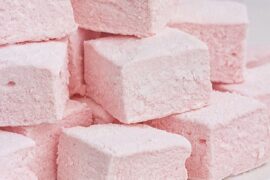
Swiss meringue involves heating the egg whites and sugar together gently over a bain-marie (water bath) until the sugar crystals completely dissolve before whipping. This process pasteurizes the egg whites safely and creates a stable, glossy, and marshmalow-like topping that won’t weep liquid onto the buns.
4. How long do they stay fresh?
Enriched homemade buns dry out faster than industrial ones since they do not contain chemical preservatives. They are best enjoyed the same day they are baked. Store any leftovers in an airtight container for up to 2 days, and warm them up slightly before eating.
5. Can they be filled?
While the classic version is plain, a very popular southern variation involves inserting a small dollop of dulce de leche (manjar) or pastry custard into the center of the large dough ball before shaping it into the bird’s body.
History and Tradition: The Sweet Emblem of the Biobío Region
Pajaritos dulces (literally translated as “Little Sweet Birds”) are an iconic piece of Chilean heritage baking, deeply rooted in the Biobío Region in southern Chile. While they are a beloved fixture at local bakery counters year-round, their popularity reaches a nationwide fever pitch during Fiestas Patrias (Chilean National Holidays in September).
These festive treats feature an enriched, brioche-like yeast dough spiked with aromatic spices, traditional bird-like shaping, and a generous crowning of glossy white meringue. For generations across southern towns, baking pajaritos has been a communal family ritual that marks the arrival of spring and national celebrations.
Did you know?
“Pajaritos” are a Chilean sweet originated from the Biobío region, in the south of Chile, from where its popularity has spread throughout the country, mainly during the celebrations of “Fiestas Patrias” in September.