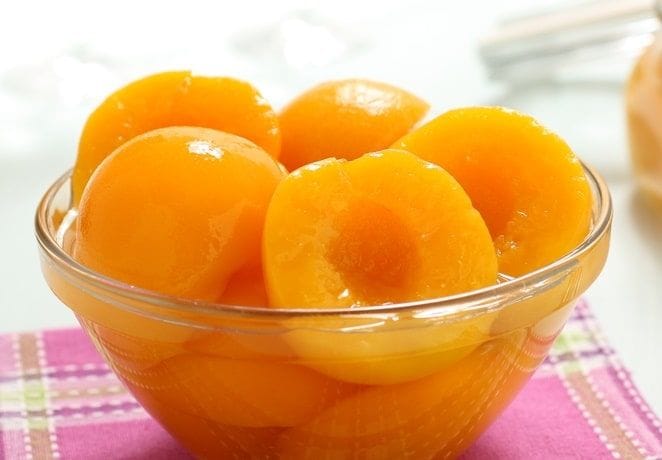
A magnificent favorite dessert of preserved peaches, often bought ready-made, but incredibly easy to prepare with seasonal fruits and available all year round.
Nutrition Facts
Each serving of preserved peaches contains approximately 250 kcal, 60 g of carbohydrates, 1 g of protein, 3 g of fiber, 50 g of sugars, and 10 mg of sodium.
How to Make Preserved Peaches
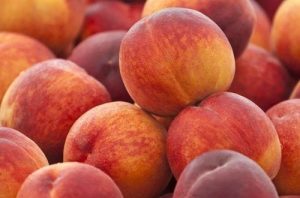
It’s generally recommended to use “preserving peaches,” classic varieties like Pomona, Phillips Cling, Fortuna, and Andross, or some more recent varieties like Loadel and Doctor Davis, to name a few.
Prep Time: 60 minutes
Cook Time: 30 minutes
Servings: 6 people
Ingredients
- 2 kg of preserving peaches
- 2 liters of water
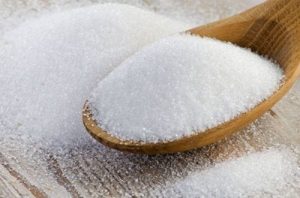
- 600 g of granulated sugar
- 2 cinnamon sticks
- 1 orange

Instructions
- In a large pot, heat two liters of water and add the peel of half an orange (without the white part), cinnamon, and sugar. Stir with a wooden spoon until completely dissolved, bring to a boil, and simmer for about 10 minutes to concentrate aromas and flavors. Thoroughly wash the peaches under cold running water, separate the overripe ones, carefully peel, halve, and remove the pit. Set aside in a dish.
- Strain the syrup through a fine sieve into a large bowl to remove orange zest and cinnamon pieces. Using a fork, place the peach halves into clean, sterilized jars up to the lower inner line of the lid, avoiding finger contact and wiping the jar rim with absorbent paper. Fill the jars with syrup, ensuring all the fruit is covered, removing any air bubbles, settling gently, and sealing.
- Place the jars in a large pot, cover them completely with water above the lid, bring to a boil, and simmer for about 13 minutes. Carefully remove, cool completely on a rack at room temperature, and store in a cool, dry, dark place until consumption. Serve the preserved peaches cold, bathe the fruit in the syrup, and optionally top with a spoonful of whipped cream.
How to Sterilize Glass Jars?
In a large, tall pot, heat plenty of water to about 40°C (104°F), submerge the jars and lids, cover, and bring to a boil. Keep at a medium-low heat for about 15 minutes. Carefully remove the jars and lids from the pot with tongs and cool upside down on a rack to drain.
The Science of the Perfect Syrup
- Varietal Selection: The technical imperative is to use “preserving peaches” (such as Pomona or Doctor Davis). These varieties have a firm pulp that does not degrade under intense heat, keeping the cellular structure intact during the “in-jar cooking” process.
- Osmosis and Equilibrium: By submerging the peaches in a syrup of 600 g of sugar per 2 liters of water, we create an osmotic gradient. Sugar enters the fruit while water leaves, stabilizing the pulp and acting as a natural preservative that reduces water activity.
- Oxygen Extraction: When filling the jars, the imperative is to leave minimal “headspace” (air) and settle the fruit firmly. Trapped oxygen is the primary cause of oxidation (browning) and the growth of aerobic molds.
- Atmospheric Sealing: Boiling the filled jars for 13 minutes serves a dual purpose: it eliminates residual pathogens and expands any remaining air. As it cools, this air contracts, creating a vacuum that “sucks” the lid down and ensures a hermetic seal.
Frequently Asked Questions (FAQ)
1. Why are my peaches floating in the jar?
This happens when the fruit is less dense than the syrup (due to air trapped in the tissues) or when the syrup is too heavy. To avoid this, ensure the syrup is hot when pouring and pack the halves tightly without leaving empty spaces.
2. How do I know if the vacuum seal was successful?
Once cold, press the center of the lid. If it does not “click-clack” (it doesn’t move), the vacuum has formed correctly. If the lid gives way to touch, it is necessary to consume that jar immediately or repeat the boiling process with a new lid.
3. Why does the syrup look cloudy or show bubbles after a few days?
If you see active bubbles, extreme cloudiness, or a bulging lid, it is a sign of fermentation or bacterial activity (failure in sealing or sterilization). In this case, the content must be discarded for food safety.
4. Can I use less sugar for a “light” version?
Yes, you can, but sugar is not just a sweetener; it is the preservative. A lighter syrup reduces the product’s shelf life and changes the osmotic pressure, which can result in softer, less flavorful peaches.
Benefits of Eating Peaches
- Fresh or preserved peaches provide a good amount of vitamin C, essential for the immune system and skin.
- They are also a rich source of antioxidants, like carotenoids, which can help protect cells from free radical damage.
Did You Know?
Peaches contain flavonoids like lycopene and lutein, which help prevent muscular degeneration and heart diseases, as well as zeaxanthin and cryptoxanthin, which protect our bodies against free radicals that prematurely age the body.