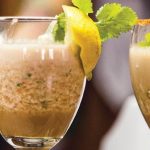

Chilean piure ceviche is an authentic coastal preparation — fresh piures and machas marinated in lemon juice, olive oil, and merkén with red onion and diced bell peppers for 45 minutes, ready to serve as a vibrant, deeply flavored appetizer. One of the most distinctive expressions of Chilean seafood culture, each serving delivers around 250 calories and the bold iodine-rich character of piure balanced by the brightness of citrus and the smoky heat of Mapuche merkén.
How to Make Piure Ceviche?
Piure ceviche is an entirely raw preparation — the piures are not cooked, only marinated. The marinade time is critical: too short (under 20 minutes) and the piure retains too much of its raw metallic sharpness; too long (over 60 minutes) and the texture becomes rubbery and the acid overwhelms the seafood flavor. The combination of fresh piure with machas (razor clams) is optional but traditional, providing a textural contrast between the firm piure and the softer bivalve.
Nutritional Information
Each serving of Chilean piure ceviche contains approximately 250 calories, 10 g of carbohydrates, 12 g of fats, 22 g of protein, 2 g of fiber, and 500 mg of sodium.
Chilean Piure Ceviche Recipe
Preparation: 50 minutes (includes marination)
Servings: 2 people
Ingredients
- 200 g fresh piures
- 80 g machas (optional)
- 40 ml lemon juice
- 2 tablespoons olive oil
- ½ red onion, thinly sliced
- ½ red bell pepper, diced
- ½ green bell pepper, diced
- Fresh cilantro
- Merkén (Chilean chili pepper spice)
- Salt

Instructions
- Carefully wash the piures under cold running water to remove any dirt and sand. Drain and chop into cubes on a wooden board.
- In a large bowl, combine the chopped piures, thinly sliced onion, diced bell peppers, lemon juice, olive oil, merkén, and salt to taste. Mix until well combined, cover with plastic wrap, and refrigerate for 30 minutes.
- Add the machas, mix everything, and refrigerate for an additional 15 minutes. Taste and adjust seasoning if necessary.
- Serve the piure ceviche immediately, garnished with chopped fresh cilantro, ideally accompanied by a glass of cold Chilean white wine.
Additional Tips
Marinate for exactly 30 to 45 minutes total — piure becomes rubbery if over-marinated
Unlike fish ceviche where marination time is a matter of personal preference, piure requires precise timing. Under 20 minutes, the raw piure retains a sharp metallic bitterness that the marinade has not had time to tame. Over 60 minutes, the lemon acid degrades the piure’s firm protein structure, producing a tough, rubbery texture that is unpleasant. The 30-minute first stage allows the piure to absorb the lemon, oil, and spice flavors; the 15-minute second stage (after adding machas) allows the machas to briefly marinate without breaking down.
Machas add textural contrast — rinse them thoroughly if using fresh
Fresh machas (razor clams) contain significant amounts of sand in their digestive tract. If using fresh machas, clean them by soaking in cold salted water for 30 minutes before use — they will expel the sand themselves. After soaking, rinse under cold running water and drain well before adding to the ceviche. Canned or pre-cleaned machas can be added directly. The machas’ soft, slightly sweet flavor contrasts with the bold, iodine-rich piure — the combination is considered the superior version of this ceviche.
Use merkén, not standard chili — the smoky character is what makes this uniquely Chilean
Standard fresh chili or dried chili flakes add heat without the smoky complexity that defines piure ceviche as distinctly Chilean. Merkén — the Mapuche smoked chili blend — adds three simultaneous sensory dimensions: mild heat, earthiness from the dried chili, and the smoke from the traditional drying process. This smoky note complements the iodine of the piure in a way that plain chili cannot replicate. Outside Chile, smoked paprika blended with a small amount of cayenne is the closest substitute, though the result will be milder and less complex.
| Ingredient | Substitution and result |
|---|---|
| Fresh piures | Sea urchin (erizo) — similar iodine-rich, oceanic flavor; use same quantity |
| Machas | Small clams (almejas) or cockles — milder flavor; same cleaning technique |
| Merkén | Smoked paprika + pinch cayenne — less complex but adequate substitute outside Chile |
| Pica lemon juice | Persian lime or Key lime juice — similar acidity and aroma |
Frequently Asked Questions (FAQs)
1. What is piure and what does it taste like?
Piure — Pyura chilensis — is a tunicate (sea squirt), a marine invertebrate found attached to rocks along the Chilean and Peruvian coast, not a mollusk as commonly believed. Its flesh is bright red-orange and has an intensely iodine-rich, saline, slightly metallic flavor unlike any other seafood — often described as tasting of seawater concentrated. Piure is an acquired taste that is deeply associated with Chilean coastal identity; many Chileans grew up eating it raw on rocks at the beach. Its flavor is polarizing internationally but celebrated in Chilean cooking.
2. Is piure safe to eat raw?
Yes — raw piure consumed directly from the sea or very freshly harvested is a traditional Chilean practice and is safe for healthy adults. As with all raw seafood, quality and freshness are the critical safety factors: use piure harvested from clean coastal waters (away from industrial effluent or sewage) and consume on the day of purchase. People with shellfish allergies should exercise caution, as piure can trigger cross-reactive responses in some individuals despite being taxonomically distinct from mollusks and crustaceans.
3. Where can I find piure outside Chile?
Piure is rarely available fresh outside Chile and Peru. Frozen piure is occasionally found in Latin American specialty food stores, particularly in cities with large Chilean communities (Miami, Barcelona, Melbourne). Sea urchin (erizo or uni) is the closest widely available substitute — it shares the intense iodine character and similar oceanic flavor profile, though it is softer and less intensely flavored than piure. The recipe works well with sea urchin using the same marinade proportions.
4. Why is piure ceviche served with white wine?
The classic Chilean pairing of piure with cold white wine is functional, not just traditional. The acidity and crisp mineral notes of a dry Sauvignon Blanc cut through the richness of the olive oil marinade and the metallic intensity of the piure, refreshing the palate between bites. The wine’s low tannin content avoids the harsh metallic taste that occurs when tannic red wine contacts high-iodine seafood. The combination is one of the most celebrated pairings in Chilean coastal gastronomy.
What Is Chilean Piure Ceviche?
Chilean piure ceviche — ceviche de piures — is a raw seafood preparation in which fresh piures (Pyura chilensis) are cleaned, cubed, and marinated in lemon juice, olive oil, and merkén with sliced red onion and diced bell peppers. It is one of the most authentically Chilean seafood preparations — piure is found nowhere else in the world’s cuisine with the same prominence as in Chilean coastal cooking, and this ceviche showcases it in its purest form. The dish is traditionally served as an appetizer with cold white wine at seafood restaurants and beach gatherings along the Chilean central and southern coast.
History of Piure in Chilean Cuisine
Piure has been consumed by coastal indigenous peoples of Chile since pre-Columbian times — archaeological evidence from shell middens along the Chilean coast shows that piure was a staple seafood in the diet of these communities for thousands of years. Its bright red flesh and intense flavor made it a distinctive ingredient that Spanish colonizers found unusual but which remained central to Chilean coastal food culture. The ceviche format — raw seafood marinated in citrus — arrived in Chile from Peru and was applied to native Chilean seafood including piure, transforming a traditional ingredient into a more elaborate culinary preparation. Piure ceviche is today one of the dishes most associated with the Chilean coastal identity, celebrated in seafood festivals along the Pacific coast and considered one of the most challenging and rewarding flavors in Chilean gastronomy for international visitors.
Did You Know?
Piure is a marine invertebrate found along the coasts of Chile, known for its distinctive flavor and smooth texture, which has become a worldwide sensation due to its unusual biology — piure contains vanadium (a rare metal) in its blood, giving its flesh its characteristic red color. It is one of the few animals known to concentrate vanadium from seawater, a biological curiosity that has made it the subject of scientific research as well as culinary fascination.