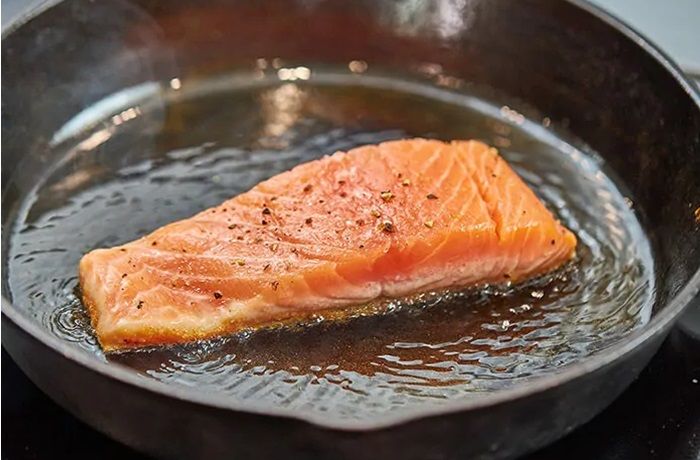
Pan-seared butter salmon is a delicious and quick way to prepare this flavorful and nutrient-rich Chilean fish, making it a perfect option for a healthy and tasty meal.
Nutrition Facts
Each serving of pan-seared butter salmon contains approximately 450 kcal, 1 g of carbohydrates, 38 g of fats, 28 g of protein, 120 mg of cholesterol, and 300 mg of sodium.
How to Make Pan-Seared Salmon
To make pan-seared butter salmon, first season the salmon fillets with salt, pepper, and fresh herbs, then cook them until crispy on the outside and tender on the inside, with a touch of lemon juice.
Prep Time: 15 minutes
Cook Time: 10 minutes
Servings: 2
Ingredients
- 2 salmon fillets
- 50 g butter
- 1 garlic clove, chopped
- 1 teaspoon thyme
- 1 teaspoon parsley
- 2 lemons
- Merquén
- Sea salt
- Black pepper
Instructions
- On a large tray, gather the salmon fillets, season with thyme and parsley, salt, and pepper to taste, and set aside. In a large skillet, add the butter and heat over medium-high heat until melted.
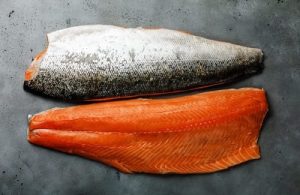
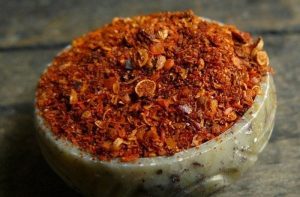
- Add the salmon fillets skin-side down and cook for about 4 minutes or until the skin is crispy and golden. Carefully flip the fillets using a spatula and cook for another two minutes. Squeeze the juice of half a lemon over the fillets; optionally, sprinkle a touch of merquén.
- Add the chopped garlic, and cook until reaching the desired doneness. Serve the salmon fillets on wide, shallow plates with slices of fresh lemon, topped with chopped fresh parsley.
Expert Cooking Tips
- Dehydration for Crispiness: Before seasoning, pat the salmon skin completely dry with paper towels. Any surface moisture will create steam, preventing the skin from becoming crispy. A dry surface allows the heat to immediately begin the Maillard reaction, resulting in a golden-brown, crackling skin.
- Skin-Side Down Strategy: Start the fillets skin-side down in the melted butter over medium-high heat. The skin acts as a heat shield, protecting the delicate flesh from overcooking while the fat renders out. This 4-minute initial sear ensures the skin is fully crisped before the internal temperature rises too far.
- Aromatic Acid Balance: Add the lemon juice only during the final 2 minutes. High heat can make lemon juice taste bitter; adding it toward the end preserves the bright, fresh citric acid, which cuts through the heavy fats of the butter and the omega-3-rich salmon oils.
Frequently Asked Questions (FAQ)
1. What is Merquén?
It is a traditional Mapuche seasoning made from smoked cacho de cabra chili, toasted coriander seeds, and salt. It adds a unique, earthy smokiness to the fish.
2. How do I know the salmon is done?
The salmon is perfect when it reaches an internal temperature of about 52°C (125°F) for medium-rare. It should be slightly translucent in the very center and flake easily with a fork.
3. Why use butter instead of oil?
While oil has a higher smoke point, butter contains milk solids that brown (beurre noisette), providing a nutty, rich flavor that complements the sweetness of the salmon.
4. Should I cook it with the skin on?
Yes, the skin not only provides a great texture contrast but also contains a high concentration of omega-3 fatty acids and protects the meat from the pan’s direct heat.
5. Can I use frozen salmon?
Yes, but thaw it completely in the refrigerator for 24 hours. Dry it thoroughly before cooking to prevent it from becoming mushy.
Salmon Properties and Benefits
- Salmon contains omega-3 fatty acids that are good for the heart and brain. It is also rich in vitamin D, which is essential for bone health and the immune system.
- It provides vitamin B12, important for red blood cell formation and brain function, and has moderate amounts of selenium, an antioxidant that helps protect cells from damage.
Did You Know?
Salmon is known for its bright pink or orange color, which comes from its diet in the wild. The natural pigments, called astaxanthin, are found in the food salmon consumes, such as shrimp and krill.