
Valdiviano soup is an exquisite typical dish from the southern region of Chile, originating in the city of Valdivia. It is an ideal soup recipe to consume with family on cold days in the rainiest city in the country.
Nutrition Facts
Each serving of Chilean valdiviano soup contains approximately 480 calories, 38 g of carbohydrates, 22 g of fat (8 g of saturated fats), 32 g of proteins, 4 g of fiber, 6 g of sugars, and 780 mg of sodium.
How to Make Valdiviano
It is believed that Valdivian broth is one of the oldest recipes in Chile, a broth made with charqui of beef or horse, which was the old way of preserving meat before refrigeration.
Prep Time: 30 minutes
Cook Time: 60 minutes
Servings: 4
Ingredients
- 150 grams of beef or horse charqui
- 100 ml of milk
- 8 eggs
- 2 onions cut into strips
- 2 liters of beef broth
- 2 cups of diced yellow squash
- 2 teaspoons of aji color
- 1 tablespoon of dried oregano
- 1 teaspoon of cumin
- 1 teaspoon of aji pepper
- 1 loaf of bread
- 1 tablespoon of butter
- 1 lemon
- Vegetable oil
- Salt
- Pepper
Instruction
- In a bowl, mix the chopped bread and milk and let it rest for 5 minutes. Then make a paste with a fork and set aside. In a large pot, heat the oil and butter over medium-high heat, add the “aji color,” and stir. Add the onion cut into strips, and cook and stir occasionally for about 5 minutes.
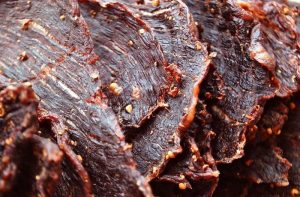
- Add the crumbled charqui, oregano, cumin, and aji sauce; stir; and cook for another 5 minutes. Add the beef broth and the chopped squash. Stir to integrate flavors, bring to a boil again, lower the heat, and cook for another 10 minutes. Turn on and preheat the oven to 200°C (396°F) for at least 10 minutes. Add the bread to the soup, and cook for 5 more minutes or until it boils again.

- Add the chopped parsley and lemon juice. Stir, taste, and adjust the seasoning. Serve in oven-safe containers, traditionally in clay pots. Put 1 egg in each pot and bake in the oven until the white is cooked, about 5 to 10 minutes. Serve the Valdivian broth immediately, hot, and optionally accompany it with bread and fresh green aji pepper.
Expert Secrets for a True Valdiviano
- The Charqui Treatment: If your charqui is very tough, give it a few light hits with a kitchen mallet before crumbling it. This breaks the fibers and allows it to rehydrate more quickly, releasing its smoky, salty essence into the beef broth.
- The Bread-Milk “Ligazón”: The paste made from bread and milk is not just a filler; it is the traditional thickener (ligazón). It creates a silky, velvety texture that “carries” the spices better than a watery broth would.
- The Earthenware Advantage: Cooking and serving in clay pots (pocillos de greda) is essential. Clay retains heat better than ceramic or glass, ensuring that when you crack the egg into the soup, the residual heat finishes the cooking perfectly at the table.
- The Acidic Finish: Because charqui and butter are very rich, the juice of a lemon added at the very end is nonnegotiable. The acidity cuts through the fat and brightens the flavors of the cumin and ají color.
Frequently Asked Questions (FAQ)
1. What is valdiviano soup traditionally made of?
Valdiviano soup is traditionally made with charqui (dried beef or horse meat), bread, onions, spices, and beef broth, topped with a baked egg. It reflects the preservation techniques used in southern Chile before refrigeration.
2. Can I substitute charqui if it’s not available?
Yes. If charqui is hard to find, you can substitute it with finely chopped leftover roast beef, salted beef, or even shredded cooked beef, though the flavor will be slightly less intense.
3. Why is the egg baked directly in the soup?
Baking the egg directly in the soup is a traditional technique that allows the egg white to set while the yolk remains soft, adding richness and texture to the dish.
4. Is Valdiviano soup very salty?
Valdiviano can be salty due to the charqui. It’s recommended to taste the broth before adding extra salt and, if needed, soak the charqui briefly in water to reduce its saltiness.
5. Can valdiviano soup be prepared in advance?
The soup base can be prepared ahead of time and reheated, but the eggs should always be added and baked just before serving to maintain their traditional texture and presentation.
Did you know?
Its origin dates back to the time when the Spanish Pedro de Valdivia occupied the current Los Ríos area, and it was a preparation made from the products available in the area.
How to adapt this recipe to a vegan or vegetarian version?
How to adapt this recipe to a gluten-free version?
How to adapt this recipe to a keto (ketogenic) version?
Recommended
- Chilean Calzones Rotos Recipe
- Chilean Original Chorrillana Recipe
- Chilean Sopaipillas with Pumpkin
- Chilean Salmon Ceviche Recipe